
Why Granada Deserves More Than a Day Trip
Granada is often treated as a quick stop—visited only for the Alhambra and then left behind. I’m so glad we didn’t make that mistake. Traveling from Seville by train, my husband and I spent four full days in Granada, and we fell completely in love with the city. Granada is not just a place to see—it’s a place to feel. From golden winter light on historic streets to free tapas with every drink, from Moorish palaces to quiet viewpoints at sunset, the city rewards those who slow down. Yes, the Alhambra is extraordinary, but Granada offers so much more beyond its walls.
1/13/20267 min read
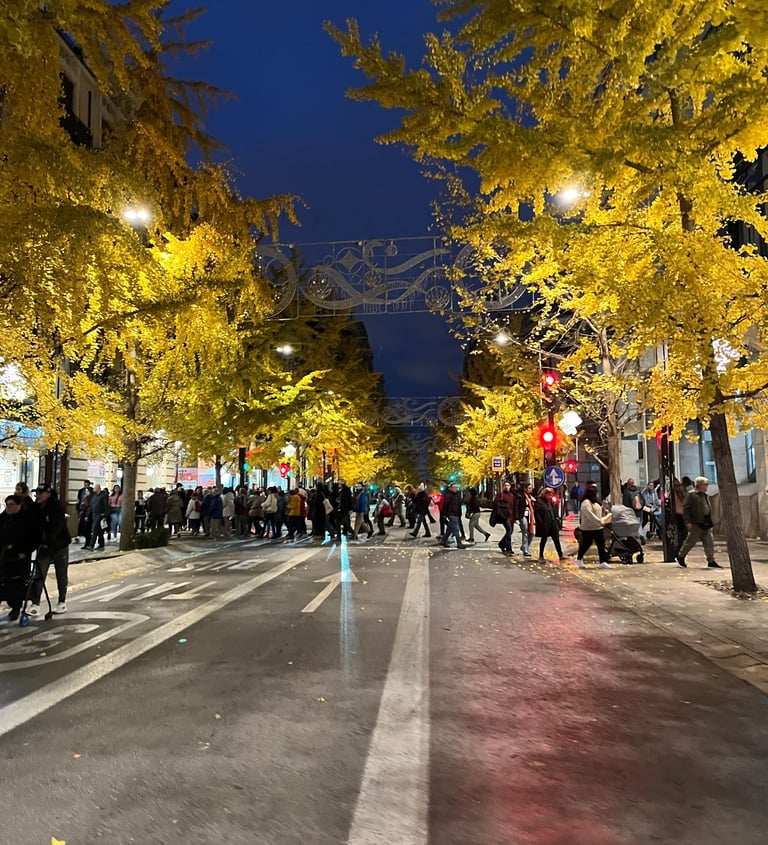
Gran Vía de Colón – The Most Beautiful Street in Granada
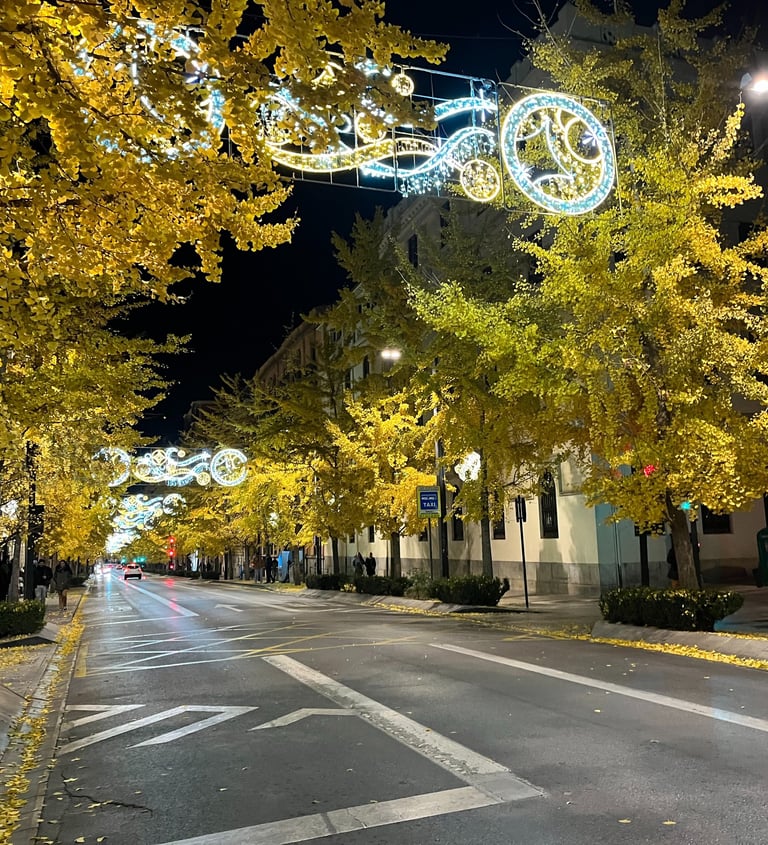
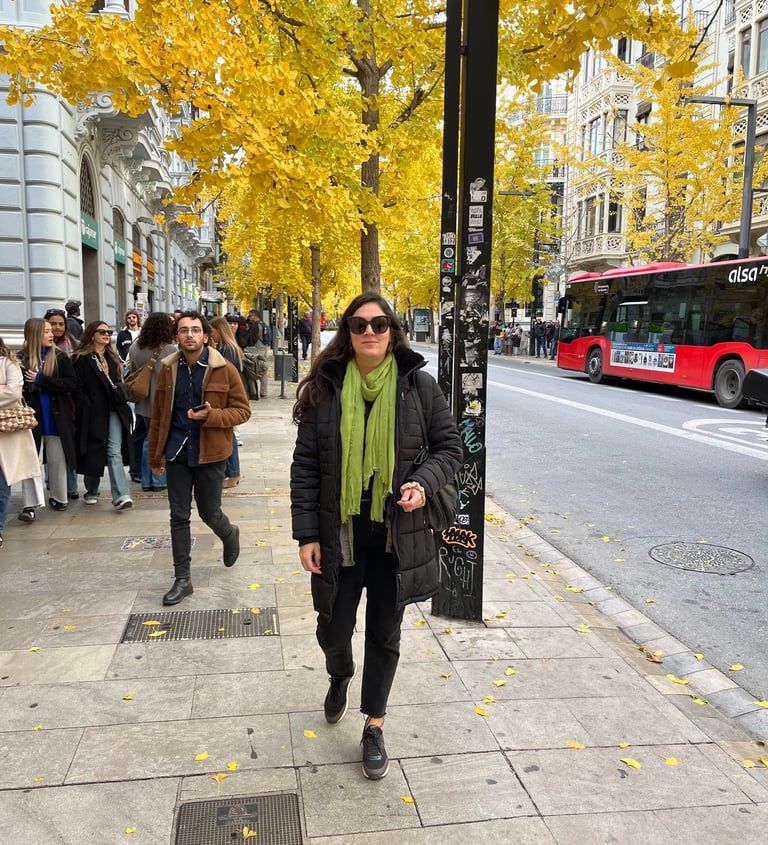
Gran Vía de Colón is, without hesitation, one of the most beautiful streets I’ve ever seen—especially in winter, when the buildings glow in soft golden light and the ginkgo biloba trees turn a brilliant yellow. Lined with elegant architecture, cafés, and shops, the street feels both grand and inviting, perfect for a slow walk and quiet people-watching. As the leaves fall and the light shifts throughout the day, Gran Vía de Colón captures Granada’s timeless charm, whether you’re strolling in the afternoon or passing through after sunset.

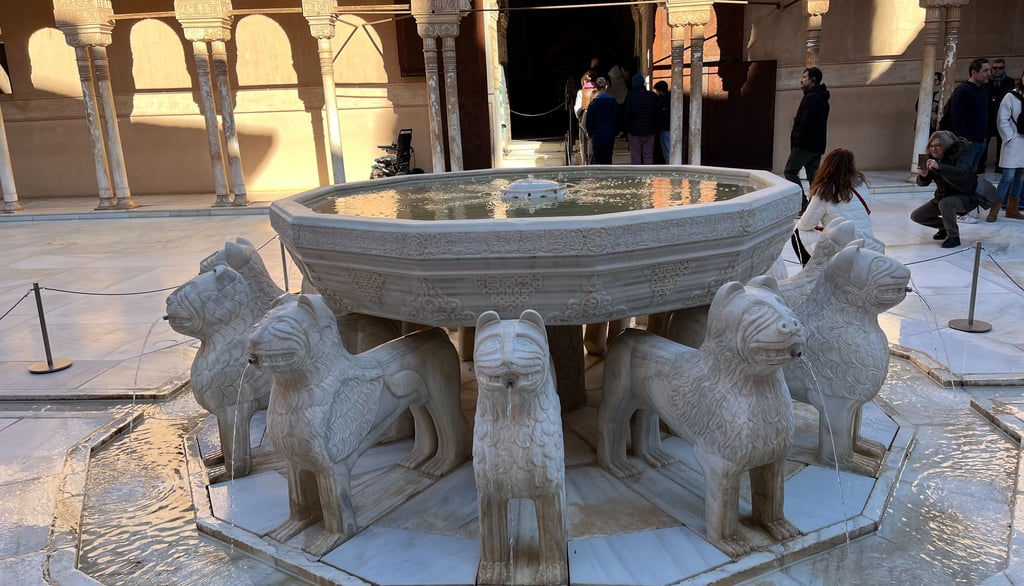
Nasrid Palaces (Timed Entry – Very Important)
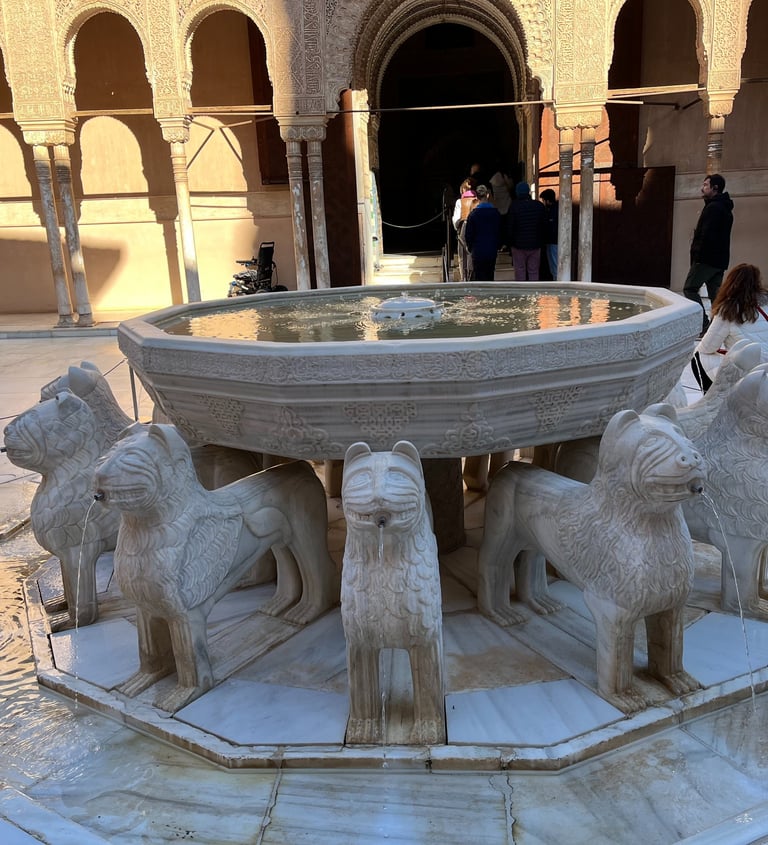
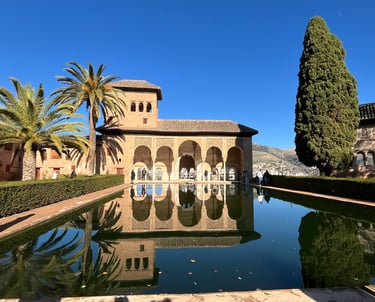
The Nasrid Palaces are the heart of the Alhambra and the reason many travelers come to Granada. Once the royal residence of the Nasrid dynasty, these palaces are a masterpiece of Islamic architecture, known for their intricate stucco work, delicate arches, carved wooden ceilings, and poetic use of light and water. Walking through the courtyards and halls feels intimate and almost unreal, as every detail was designed to reflect beauty, harmony, and paradise on earth.
The Alhambra Complex: What You Need to Know
Visiting the Alhambra requires planning, but it’s absolutely worth it. Expect to spend 3–4 hours exploring the entire complex at a relaxed pace.
This is the most important part of your Alhambra visit.
You must enter at your scheduled time
Arrive 30–40 minutes earlier than your ticket time
The Nasrid Palaces are about 30 minutes walking distance from the main entrance
If you’re staying in Granada’s city center, plan at least 30 minutes to reach the main entrance, so leave your hotel early
Once you finish the Nasrid Palaces, the rest of the complex can be explored at your own pace.
Tickets:
Buy tickets 1–2 months in advance, especially in spring and summer. Many travelers miss out because tickets sell out quickly. The ticket system can be confusing, so double-check what’s included and always use official sources.
Practical tip:
Inside the complex, you’ll find places to buy snacks, water, sandwiches, and even wine or beer—perfect for a short break during your visit.
Generalife
The Generalife gardens are peaceful, elegant, and beautifully maintained. With flowing water, manicured greenery, and views over Granada, this area feels calm and restorative—especially after the more structured visit to the palaces.
Alcazaba of the Alhambra
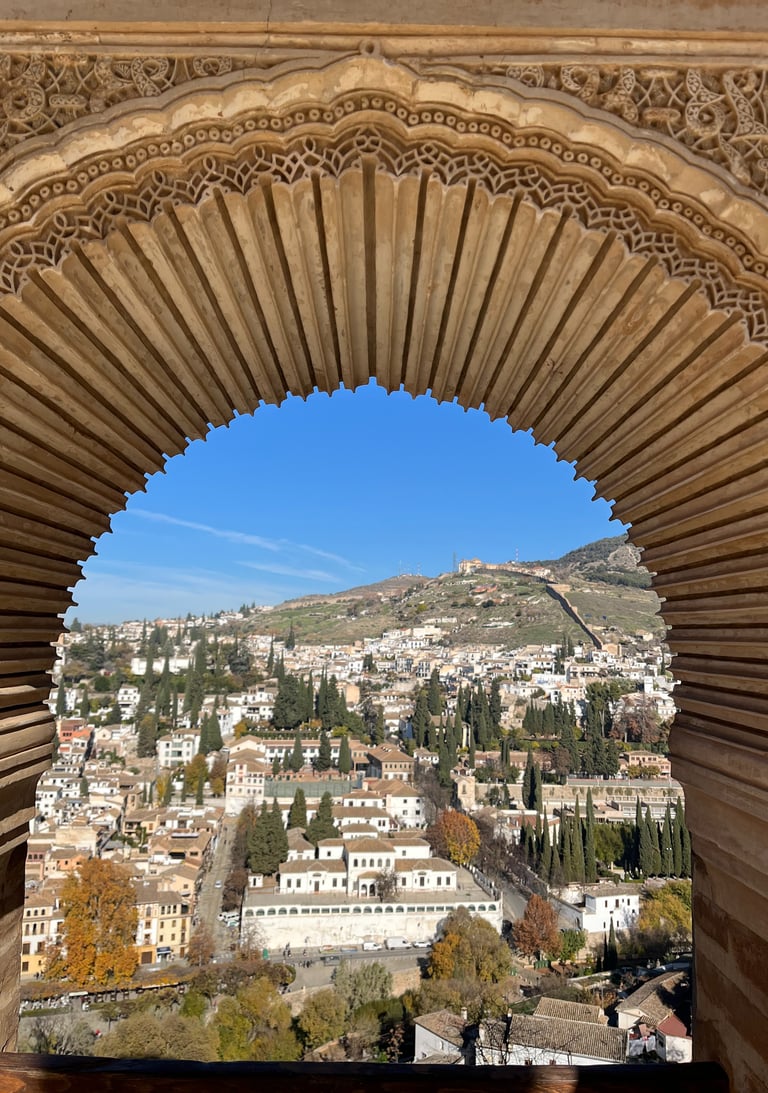
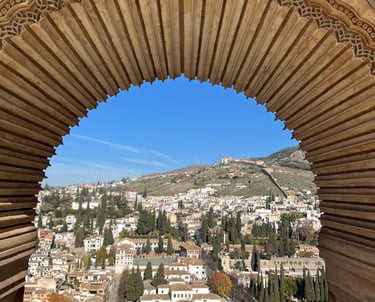
The Alcazaba is the oldest part of the Alhambra and offers some of the best panoramic views of Granada. Climbing the towers is absolutely worth it—you’ll see the city, the Albaicín, and the surrounding landscape all at once.
Palace of Charles V
This Renaissance palace stands out with its bold circular courtyard, creating a striking contrast to the delicate Moorish architecture around it. Even if you’re not usually drawn to Renaissance buildings, this one is worth seeing for its scale and symmetry.
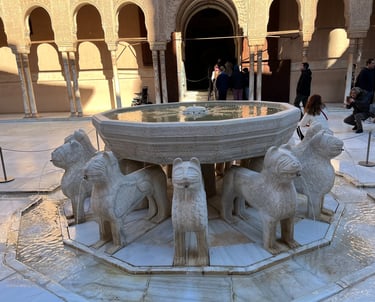
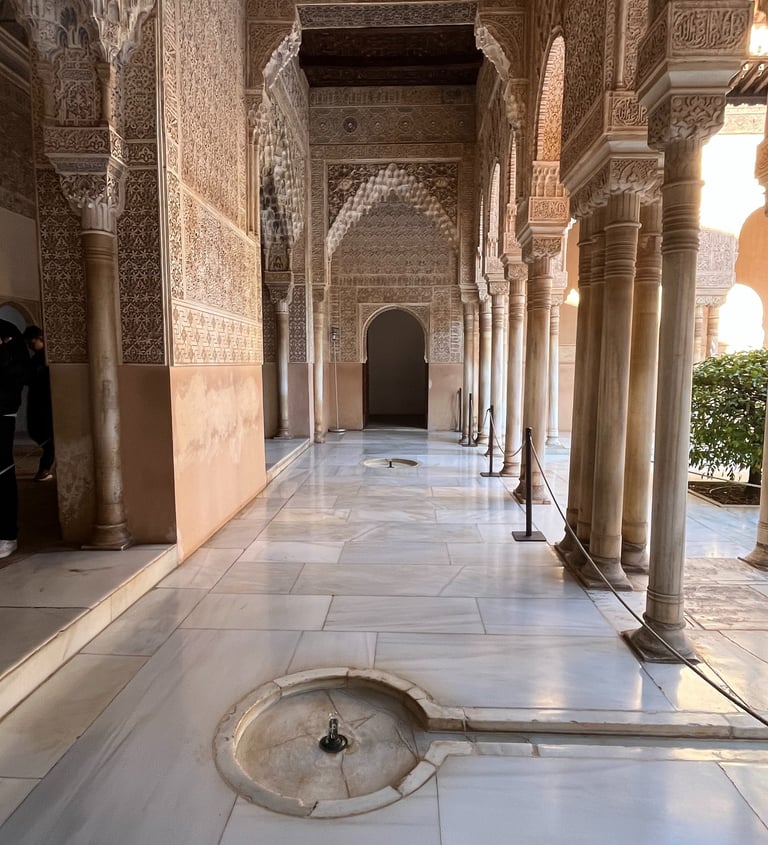
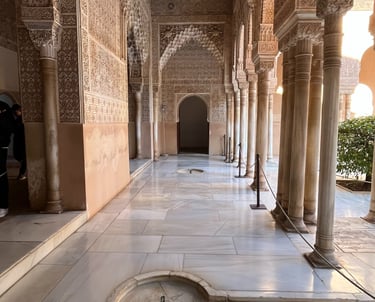
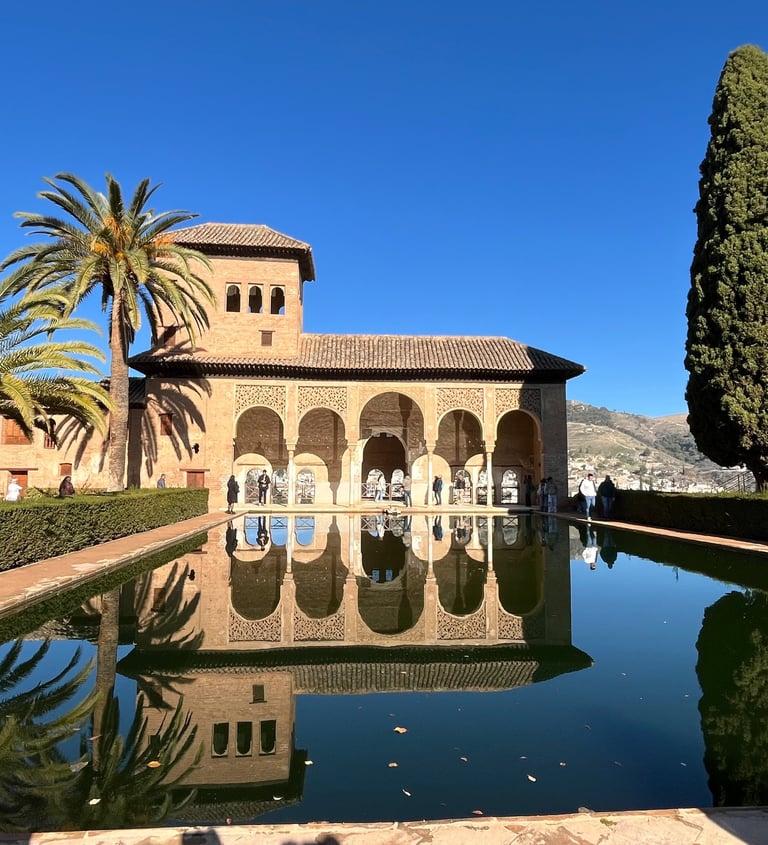
Exploring the Albaicín & Sunset Views in Granada
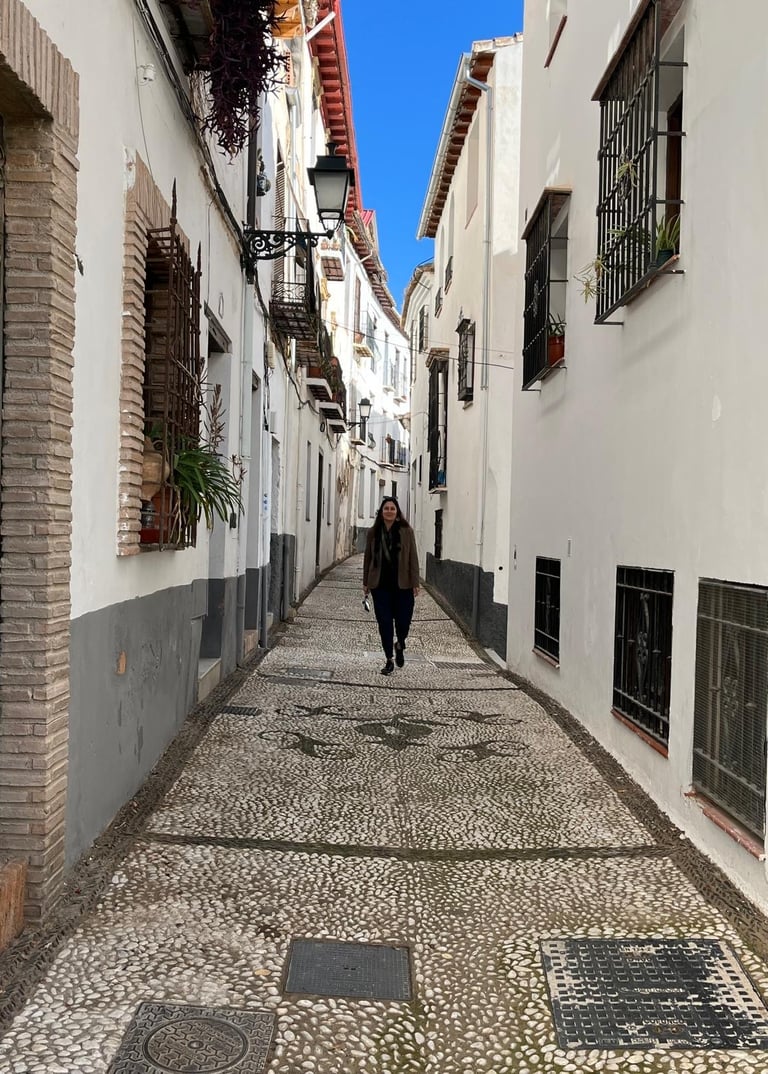
The Albaicín is Granada’s oldest neighborhood and one of its most atmospheric. Recognized as a UNESCO World Heritage Site, this historic quarter feels worlds away from the modern city below. Wandering through its narrow lanes, you’ll pass whitewashed houses, quiet courtyards, and remnants of Granada’s Moorish past, including centuries-old water cisterns tucked into unexpected corners.
This is a neighborhood best experienced without a plan. Take your time, follow the uphill paths, and allow yourself to drift through the maze of streets. The climb reveals small moments of daily life—locals chatting at doorways, the scent of tea and spices in the air, and sudden openings where the city unfolds beneath you.
Because the Albaicín is steep and paved almost entirely in cobblestone, the walk can be challenging. If mobility is a concern, a taxi or local minibus can take you directly to the upper viewpoints, allowing you to enjoy the scenery without the strain.
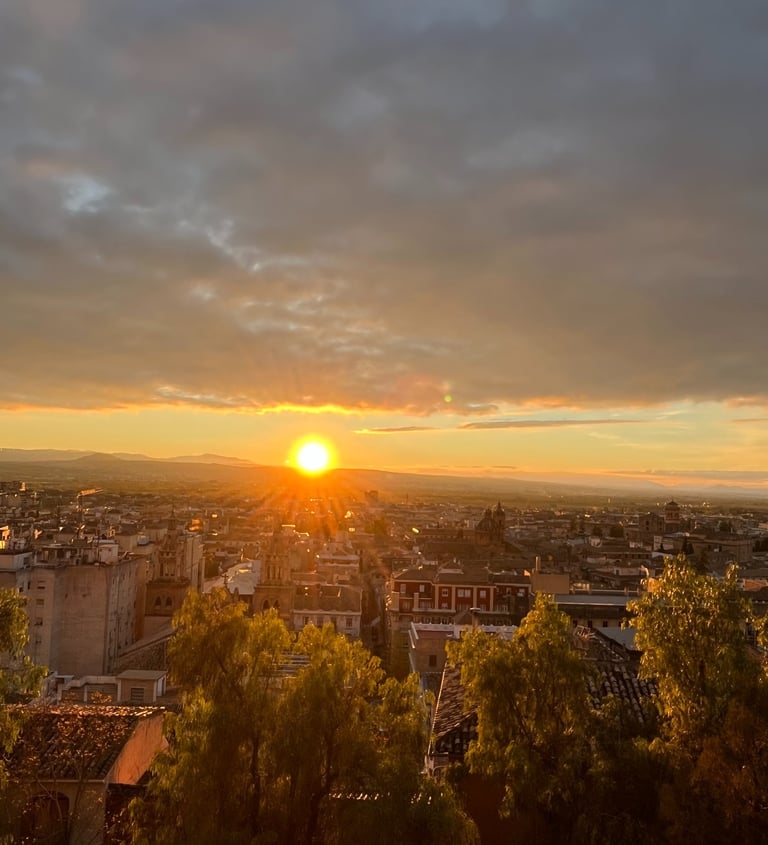
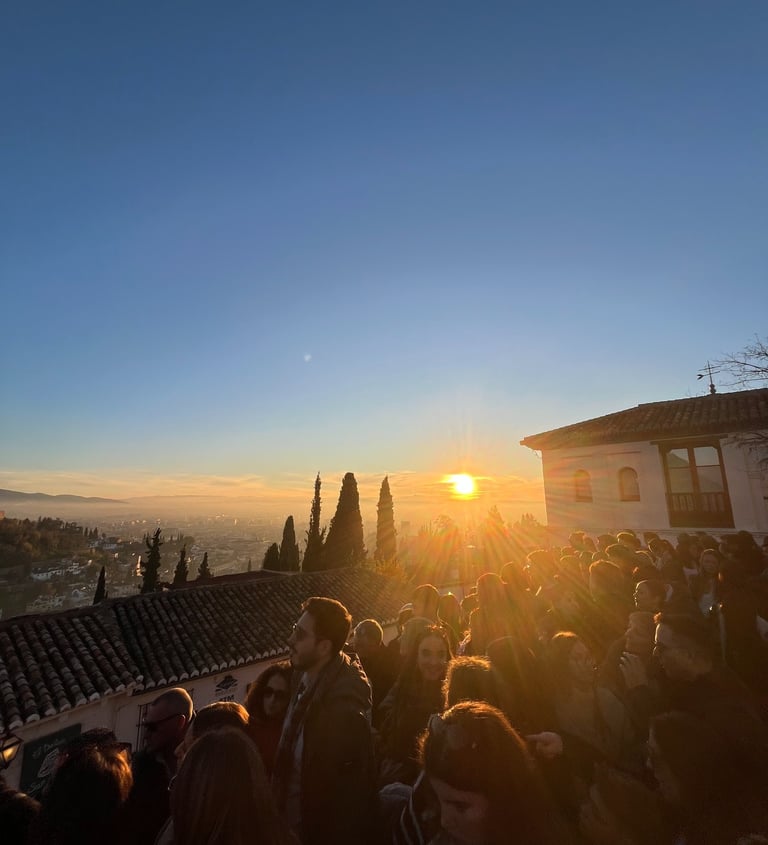
At the highest point of the neighborhood lies Mirador de San Nicolás, Granada’s most iconic viewpoint. As the sun begins to set, the Alhambra glows in shades of pink and gold, with the Sierra Nevada rising behind it. The atmosphere is lively and emotional—musicians play, people gather, and the moment feels shared by everyone present.
For a drink with a view, El Huerto de Juan Ranas is an excellent option just steps from the mirador. Its terrace offers breathtaking views of the Alhambra, especially at sunset, making it one of the most memorable places to pause and take it all in. Arriving early is essential, as tables fill quickly.
If you prefer a quieter, less crowded sunset experience, head instead to Ojo de Granada, a peaceful alternative that offers beautiful views without the buzz of San Nicolás.


Granada’s Food Scene & Moroccan Influence
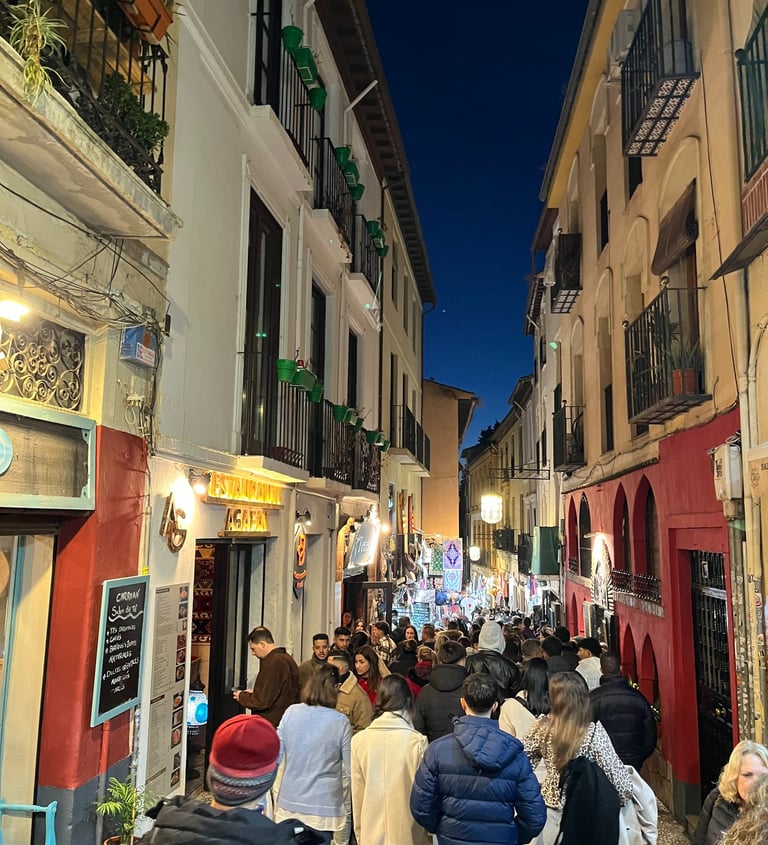
Granada’s food culture is deeply tied to its history, and nowhere is that more evident than in the city’s strong Moorish and North African influences. Eating in Granada isn’t just about sustenance—it’s a social ritual, a sensory experience, and one of the best ways to understand the city.
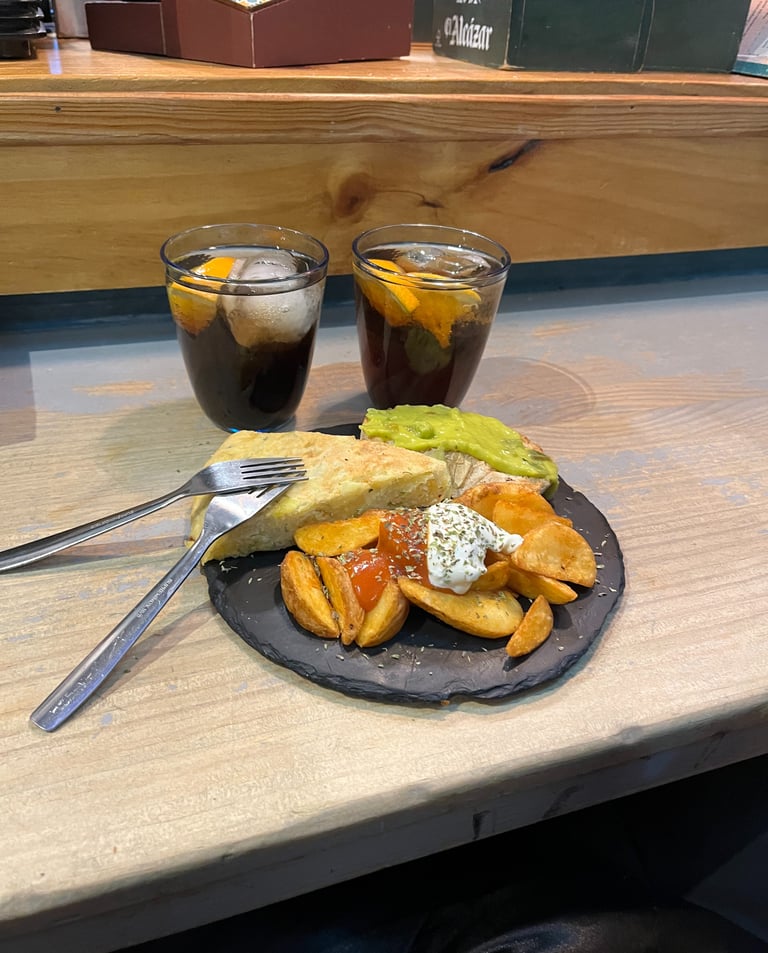
One of Granada’s most beloved traditions is its tapas culture. In most bars, every drink—alcoholic or not—comes with a free tapa. Whether you order wine, beer, or even a soda, you’ll be served a small plate of food, and in many places, you can choose your tapa from the menu. This makes bar-hopping an affordable and fun way to sample local flavors.
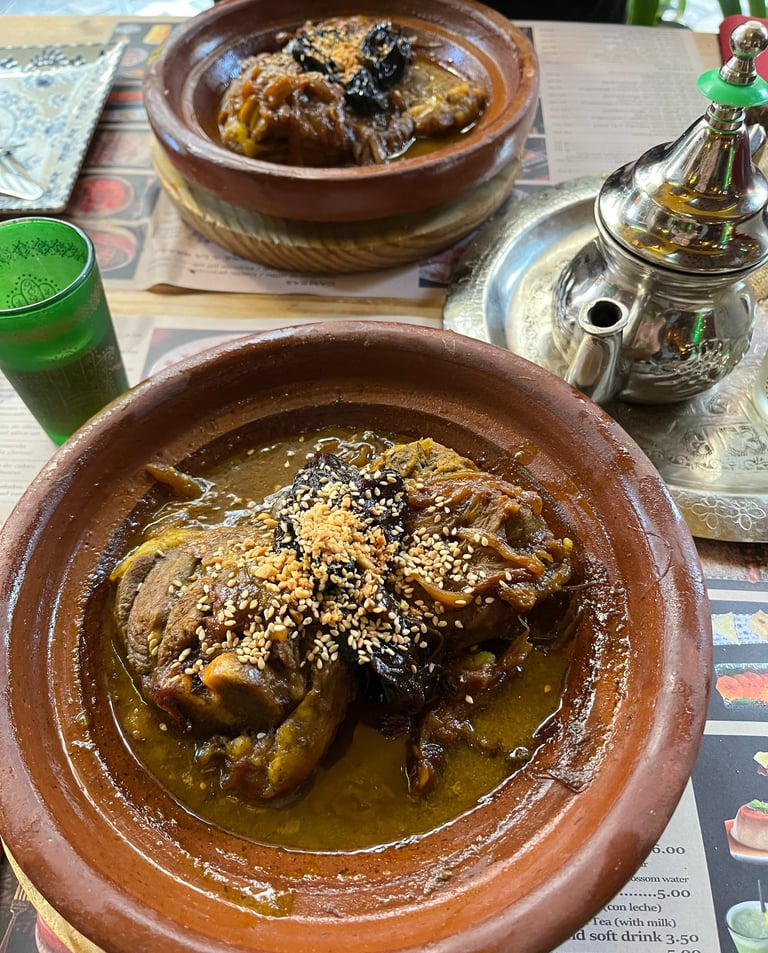
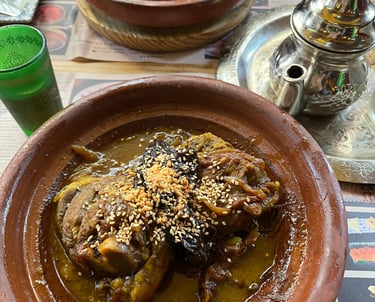
Beyond tapas, Granada’s Moorish past lives on through its teterías, traditional tea houses found throughout the city, especially in and around the Albaicín and Elvira areas. These cozy spaces offer an escape from the busy streets, filled with the scent of mint tea, spices, and freshly baked sweets. Expect a wide selection of fragrant teas, Moroccan pastries, and flavorful North African dishes such as couscous and tagines.
For an authentic experience, Restaurante Tetería Meknes Rahna stands out. With its warm atmosphere and excellent Moroccan food, it’s an ideal place for a relaxed meal or an afternoon tea break, and a perfect reflection of Granada’s cultural blend.
Whether you’re enjoying free tapas in a lively bar or sipping tea in a quiet tetería, Granada’s food scene invites you to slow down, linger, and taste the layers of history that shape the city today.


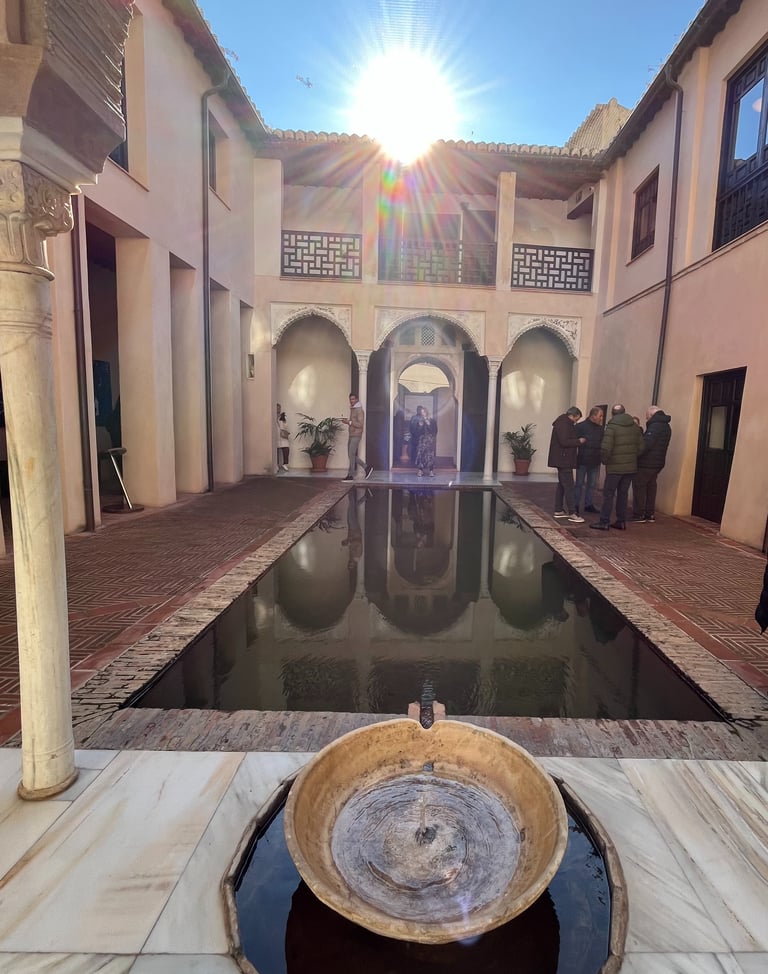
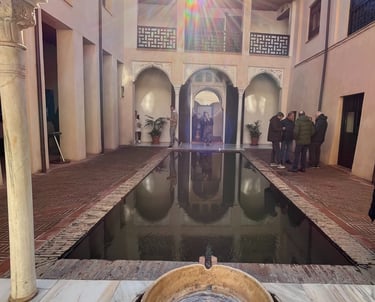
Casa de Zafra – A True Hidden Gem
Tucked away in the lower Albaicín, near Plaza Nueva, Casa de Zafra is one of Granada’s most rewarding hidden gems. This beautifully restored Nasrid house offers a glimpse into everyday life during the Moorish period, with original architectural details, quiet rooms, and a peaceful atmosphere far removed from the city’s crowds. Visiting Casa de Zafra feels intimate and educational at the same time, making it an excellent stop while exploring the historic heart of Granada.
Good to know: Admission is free on Sundays, which makes it an easy and worthwhile addition to your Albaicín walk.
Patio de los Perfumes – A Sensory Experience
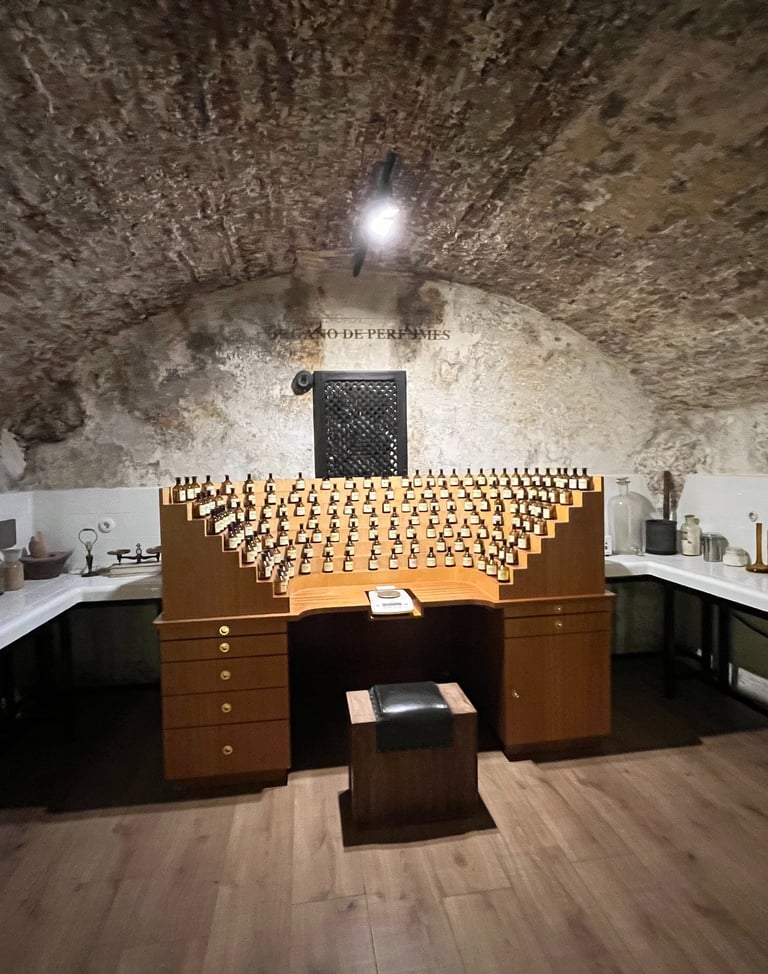
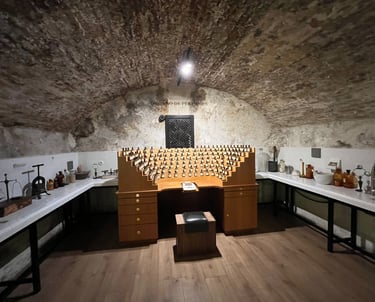
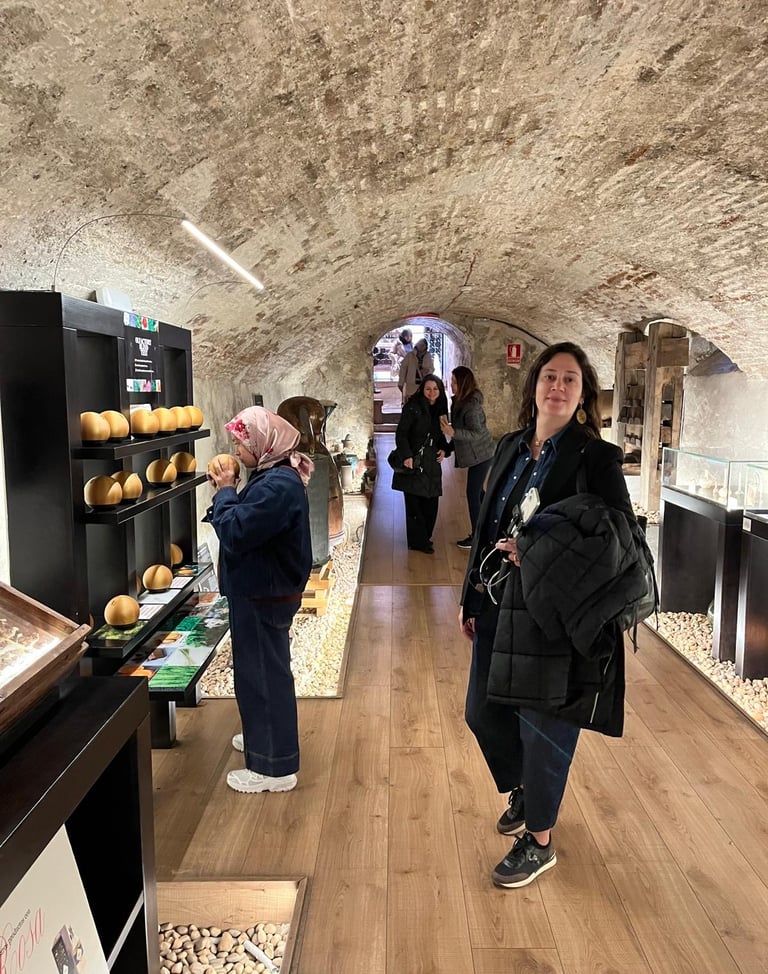
Located at the foot of the Alhambra, just below the Albaicín, the Patio de los Perfumes is one of Granada’s most unique cultural spaces. Set inside a 16th-century Renaissance palace, this small courtyard invites visitors to experience history through scent. Inspired by Andalusian traditions, the space showcases natural fragrances made from flowers, spices, woods, and resins once traded along ancient routes.
One of the highlights is the opportunity to create your own personalized perfume, making this visit both interactive and deeply memorable. Quiet, intimate, and beautifully curated, the Patio de los Perfumes offers a peaceful pause and a different way to connect with Granada’s past.
Stay Longer in Granada
Granada is so much more than a box to check off a Spain itinerary. Staying four days allowed us to experience the city slowly, beyond the Alhambra, and truly connect with its rhythm.
If you’re deciding whether to do Granada as a day trip—don’t.
Give it time. Walk its streets. Watch the sunsets. Eat the tapas.
Granada rewards those who stay.

Explore
Travel deeper, connect with cultures meaningfully.
Journey
info@twinpeakstravels.com
© 2026. All rights reserved.