
Lisbon for First-Time Visitors: A Practical Guide to Enjoy Portugal’s Capital
Lisbon is often treated as a quick stop on a bigger Portugal itinerary, but the city deserves far more time than most visitors give it. Many friends and family coming from the US plan only one or two nights here before moving on to places like Sintra, Cascais, Porto, the Algarve, or even crossing into Spain. After helping many visitors plan their trips, I’ve noticed most travelers underestimate just how much Lisbon has to offer. One of Europe’s oldest capitals, Lisbon’s history stretches back over 2,000 years. Founded by ancient traders and later shaped by Roman and Moorish cultures, the city flourished during Portugal’s Age of Discoveries in the 15th and 16th centuries, when explorers sailed from its shores to map new sea routes. Even after the devastating 1755 earthquake reshaped much of the city, Lisbon rebuilt itself into the elegant mix of historic charm and modern energy you see today. Ideally, Lisbon deserves at least two to four days, but even if your schedule is tight, thoughtful planning will still let you experience its unique atmosphere. Having lived here for the past three years, I’ve put together this guide to share practical, local advice so your first visit to Lisbon feels smooth, enjoyable, and stress-free from the moment you arrive.
2/18/202612 min read


Before You Start Exploring: Practical Lisbon Tips
Lisbon is built on seven hills, and walking here can be challenging.
🚶 What to know
Wear comfortable sneakers — cobblestone streets are slippery.
Sidewalks are uneven in many areas.
Expect hills almost everywhere.
If you're short on time, consider:
Tuk-tuk tours to cover many sights quickly.
Uber and Bolt, which are cheaper here than in many European cities.
👉 Group tours are also a great option if you want history and logistics handled for you.
[Get your guide – Best Lisbon City Tours]
[Viator – Lisbon Tuk Tuk Tour]
🧭 Tip Box – Make Your First Day Easy
✔ Book a walking or group tour for your first day.
It helps you understand neighborhoods, transport, and hidden spots. After that, you can explore confidently on your own.
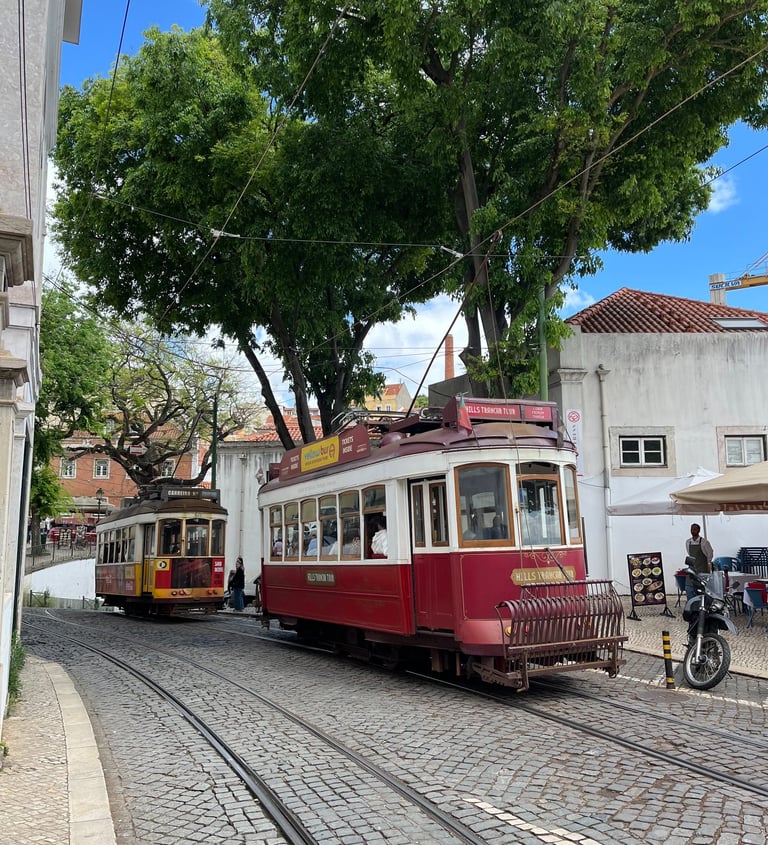
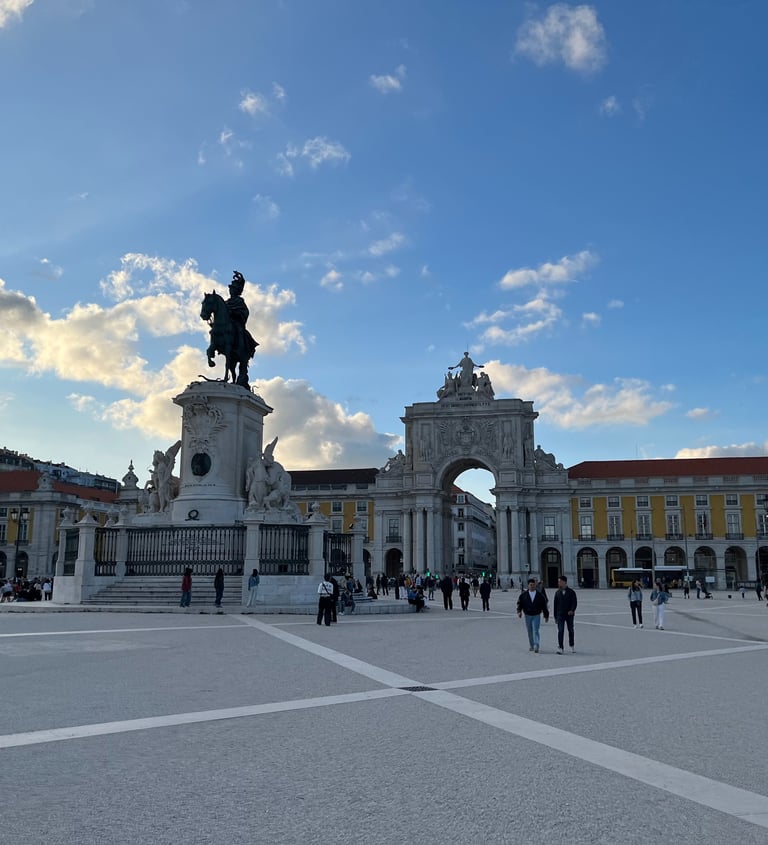
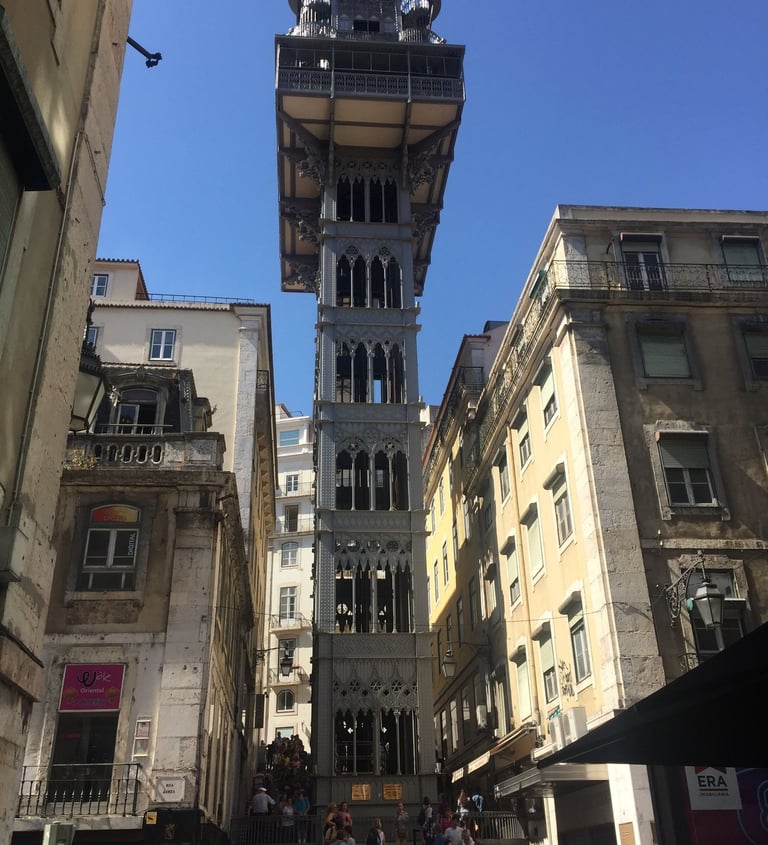
Alfama, São Jorge Castle & Praça do Comércio
Alfama: Lisbon’s Oldest Soul
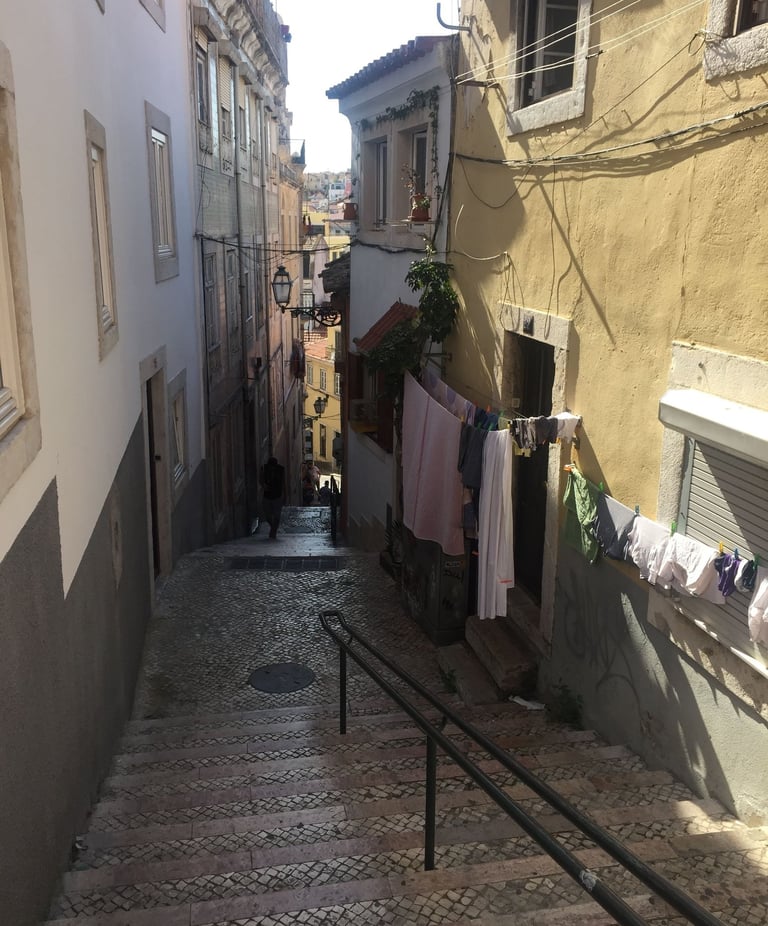
Alfama is the oldest neighborhood in Lisbon and the heart of the city’s traditional character. Unlike much of Lisbon, Alfama survived the 1755 earthquake, which is why its maze-like streets, colorful facades, and centuries-old buildings remain intact. Walking through Alfama feels like stepping back in time.
Expect steep hills, narrow alleys, laundry hanging from windows, and unexpected viewpoints around every corner. It’s one of the best areas in Lisbon for photography, slow wandering, and discovering small local shops selling ceramics, cork goods, and vintage items.
Don’t miss in Alfama:
Lisbon Cathedral (Sé) – the city’s oldest church, right at the entrance to Alfama
São Vicente de Fora Monastery – impressive azulejo panels and rooftop views
National Pantheon – climb to the top for one of the best 360° views
Feira da Ladra – Lisbon’s largest and most famous flea market (Tuesdays & Saturdays)
Viewpoints & Sunset Stops
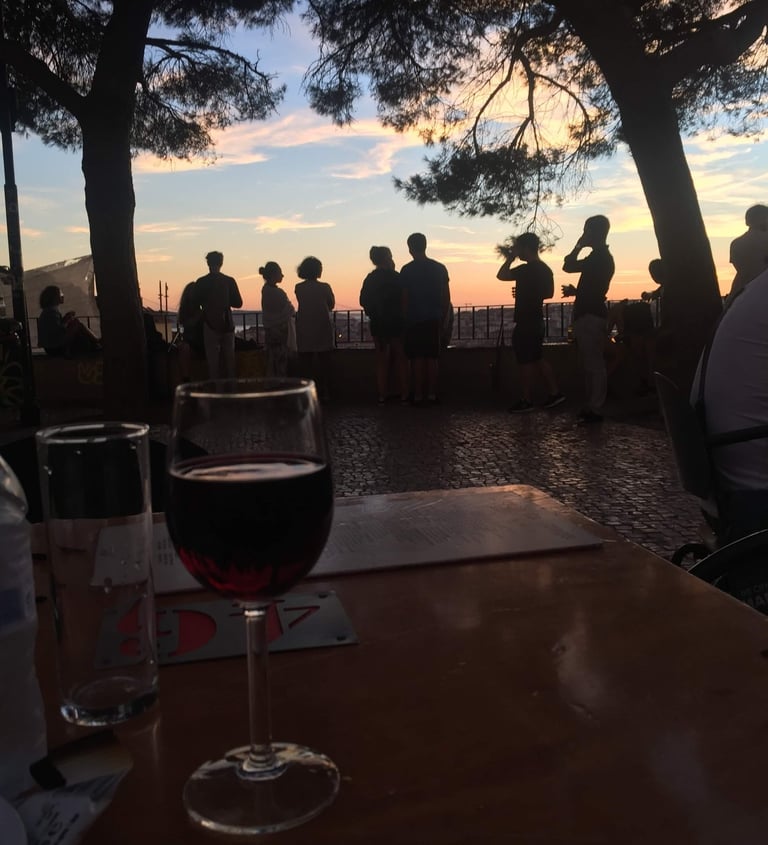
Alfama is home to some of Lisbon’s most beautiful miradouros (viewpoints), perfect for a break while exploring.
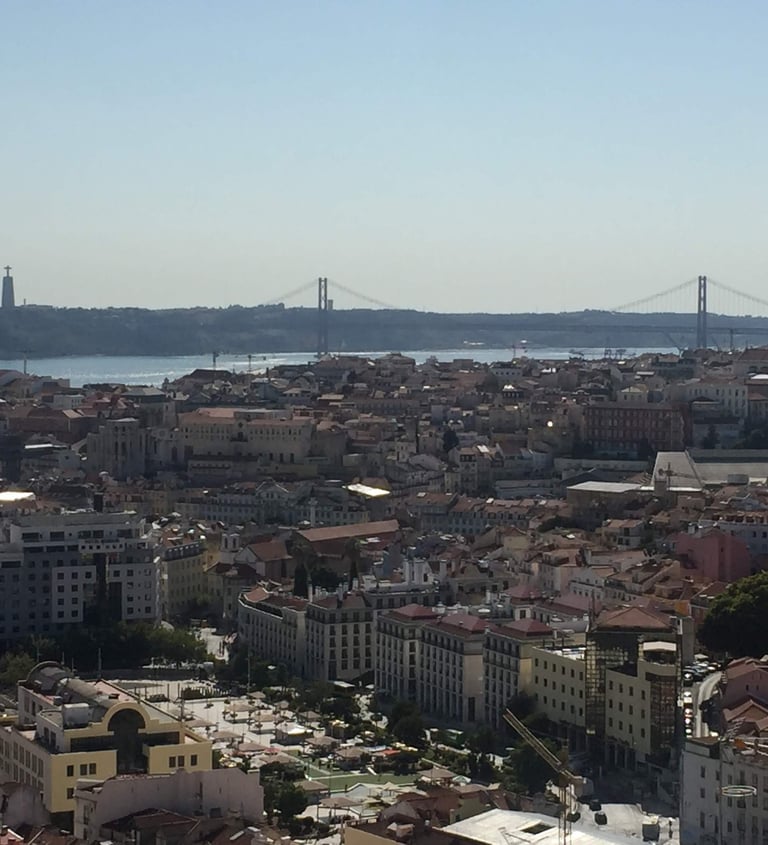
Miradouro das Portas do Sol – iconic views over Alfama’s rooftops and the Tagus River
Miradouro de Santa Luzia – a quieter spot with tiled panels and romantic views
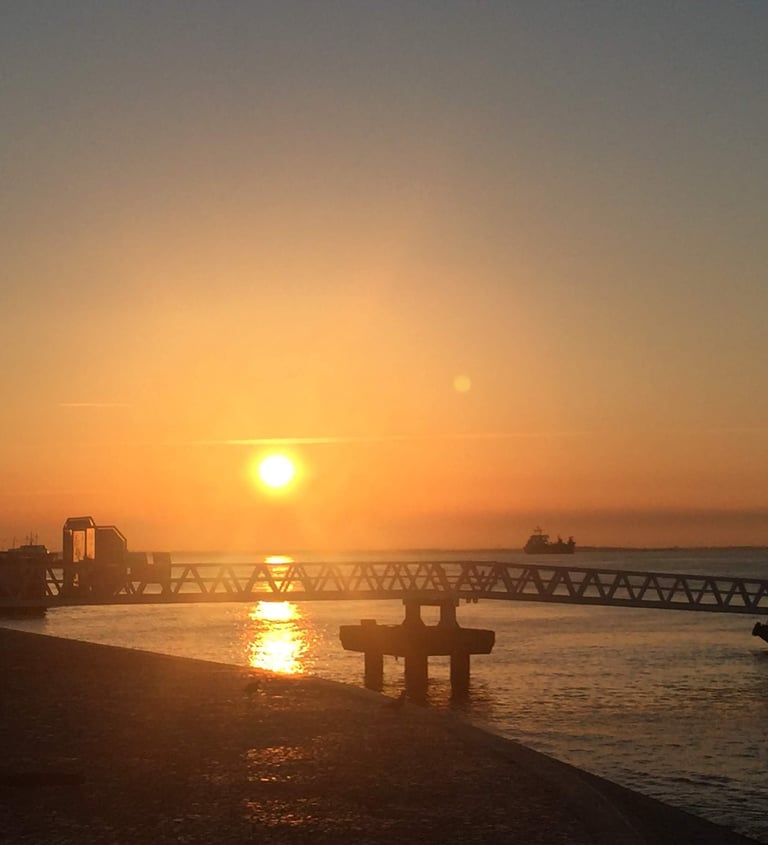
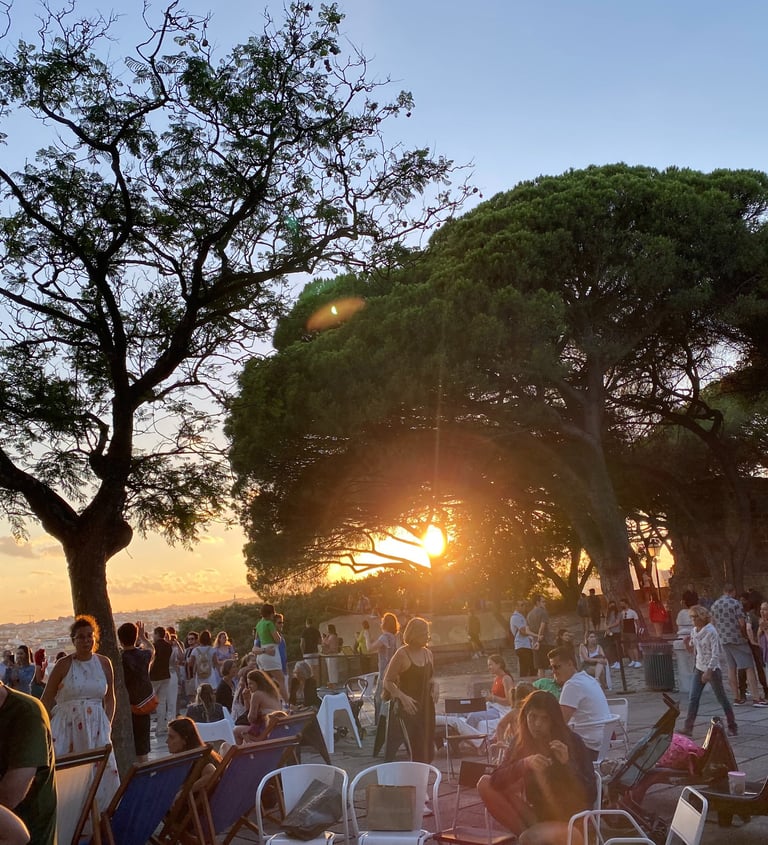
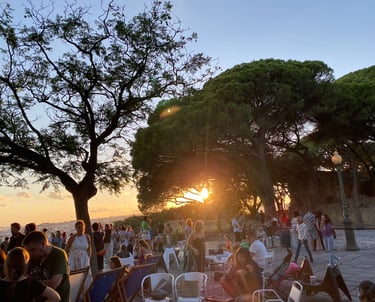
These are ideal places to watch the sunset, rest your feet, or enjoy a drink from a nearby kiosk while soaking in the scenery. From here, you’ll see the port, Alfama’s orange rooftops, and the Castelo rising above the city.

São Jorge Castle: History with a View
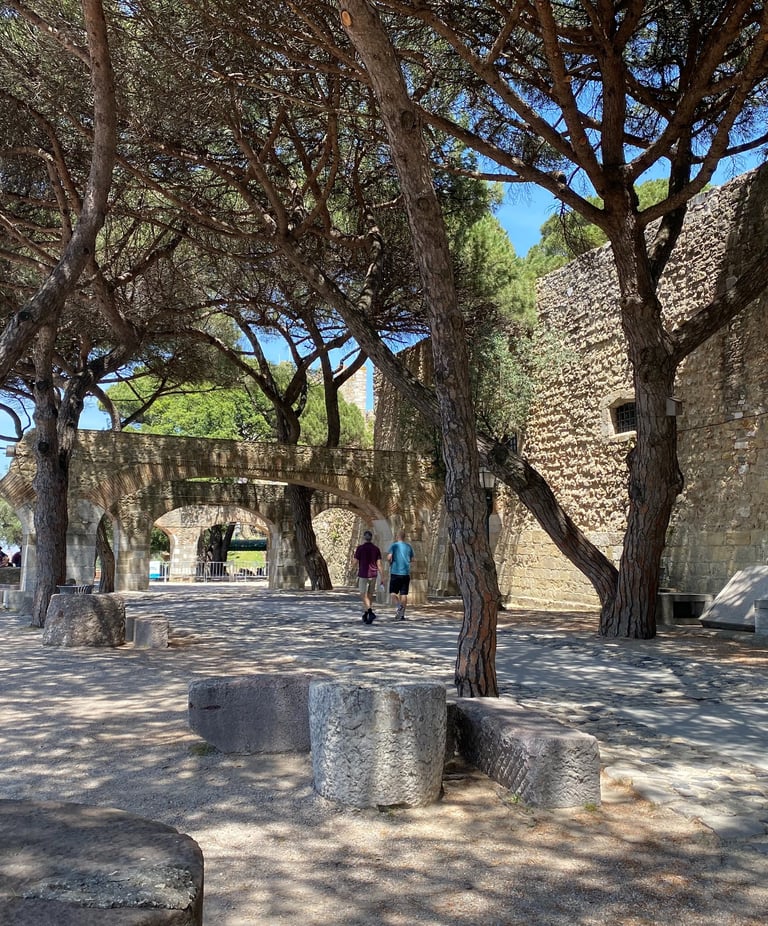
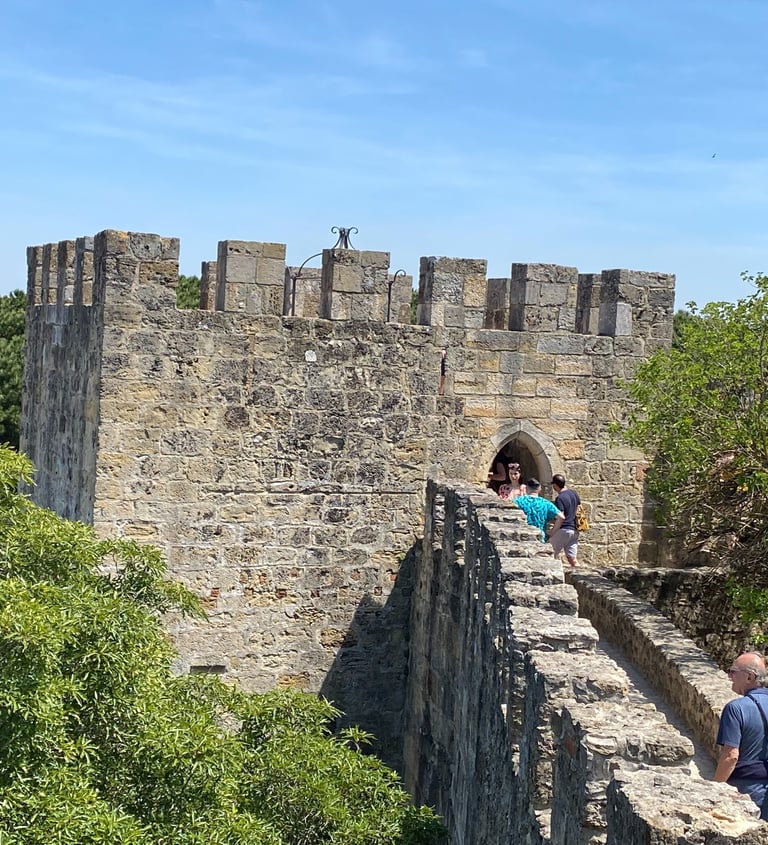
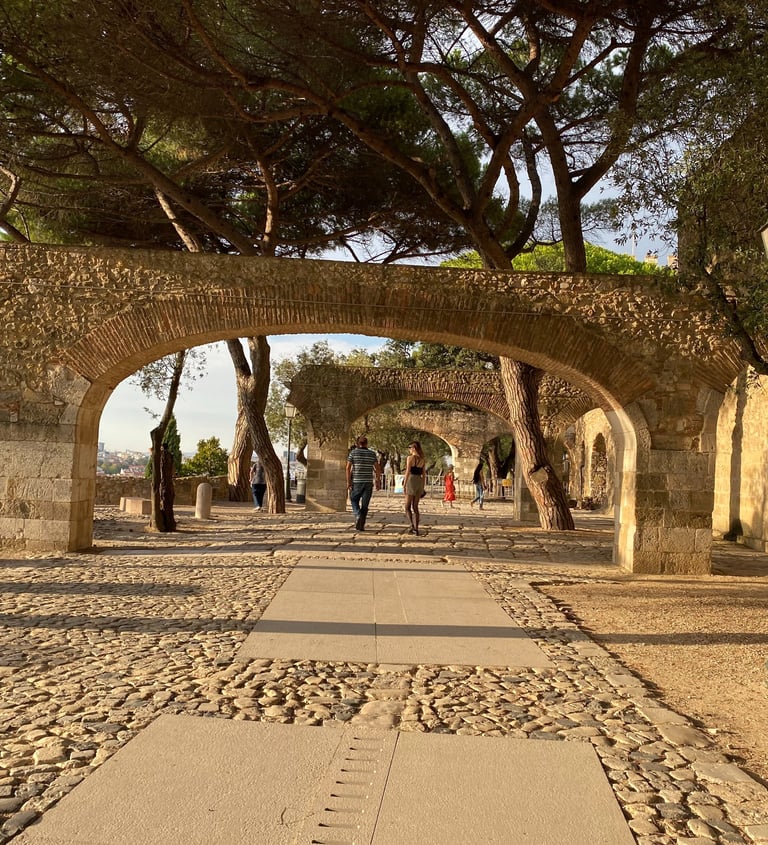
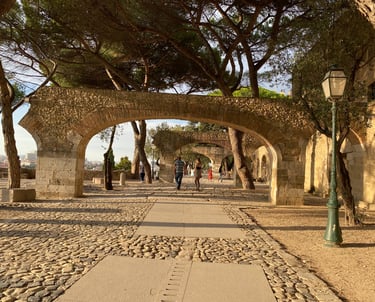
Castelo de São Jorge sits at the highest hill in central Lisbon and offers some of the best views in the city. Once a Moorish fortress and later a royal residence, the castle is both a historical site and a relaxing place to spend time.
Walk along the ancient walls, explore the gardens, and keep an eye out for peacocks roaming freely. One of the best experiences here is stopping for a glass of wine or coffee inside the castle grounds while enjoying panoramic views over Lisbon’s red rooftops and the river below.
👉 Late afternoon is a great time to visit, especially if you want softer light and fewer crowds.
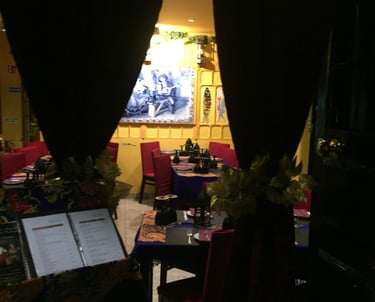
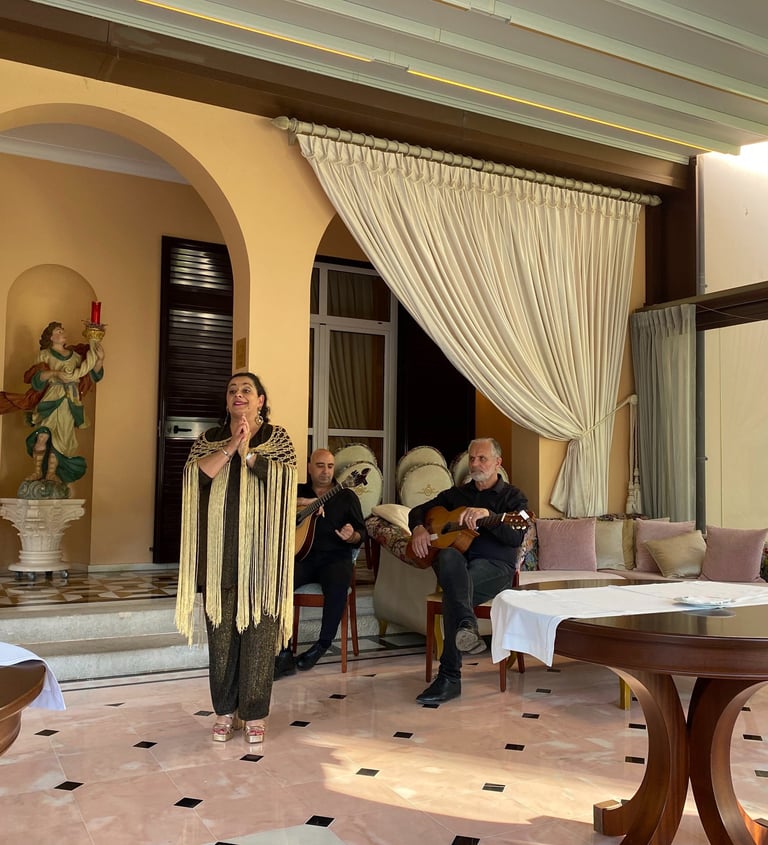
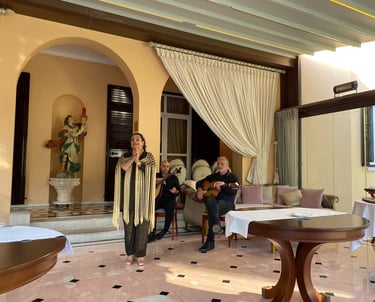
Experience a Fado Show
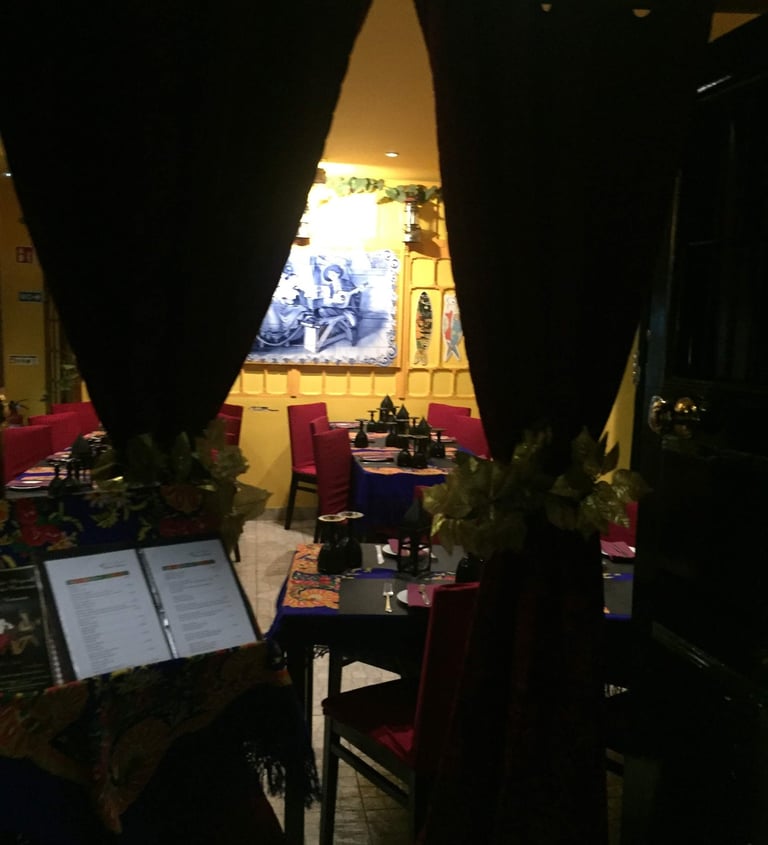
No visit to Alfama is complete without hearing Fado, Portugal’s traditional music style.
In the evening, head to a small Fado house in Alfama for an intimate performance. Many venues offer dinner with live Fado, while others focus purely on the music, often accompanied by a glass of wine or Port.
Fado performances here feel especially authentic, as this is where the music was born—emotional, powerful, and deeply connected to Lisbon’s history.


Praça do Comércio: Grand & Open
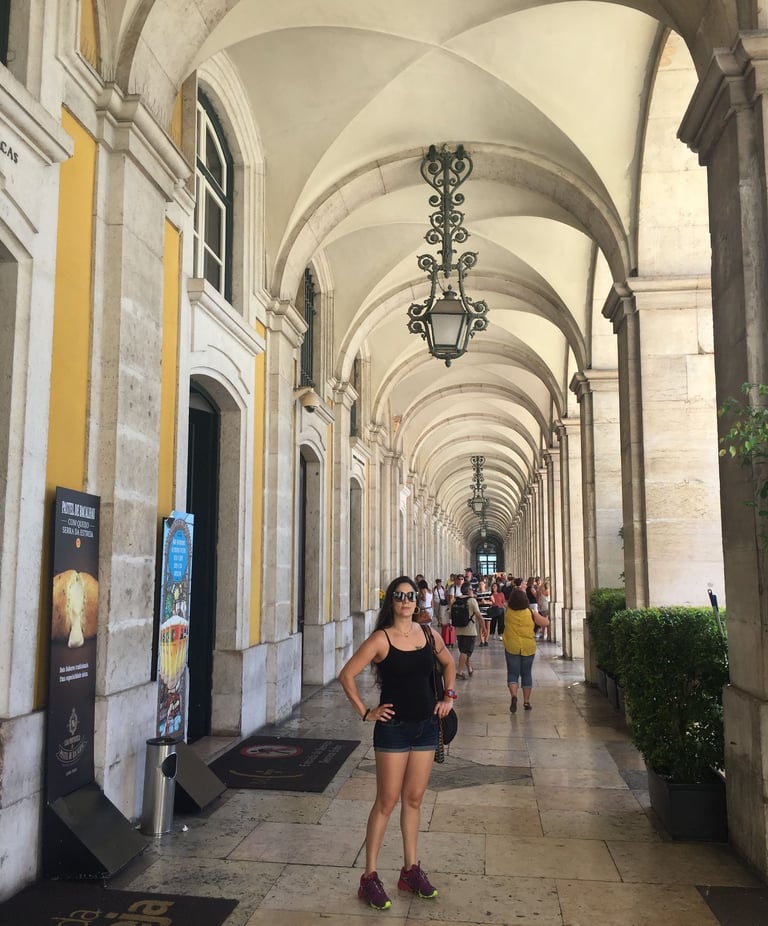
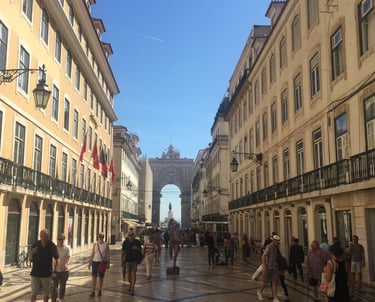
After exploring Alfama’s narrow, winding streets, make your way down to Praça do Comércio, one of Lisbon’s most impressive and open spaces.
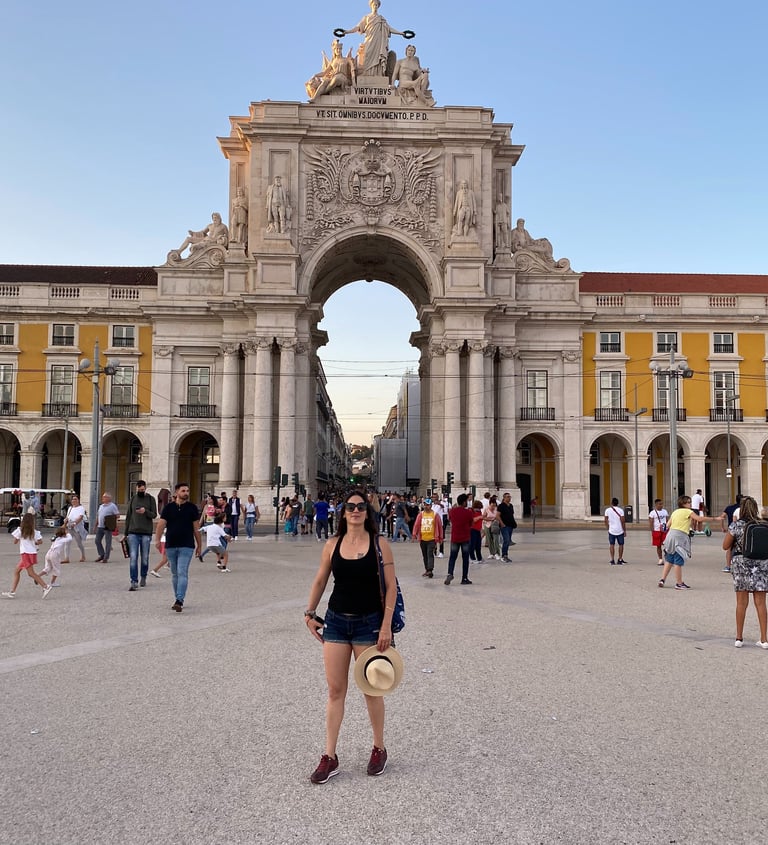
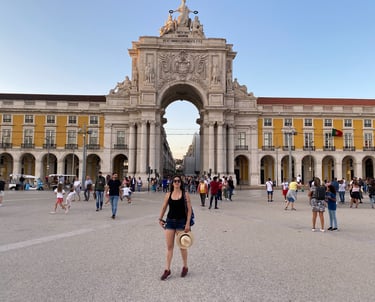
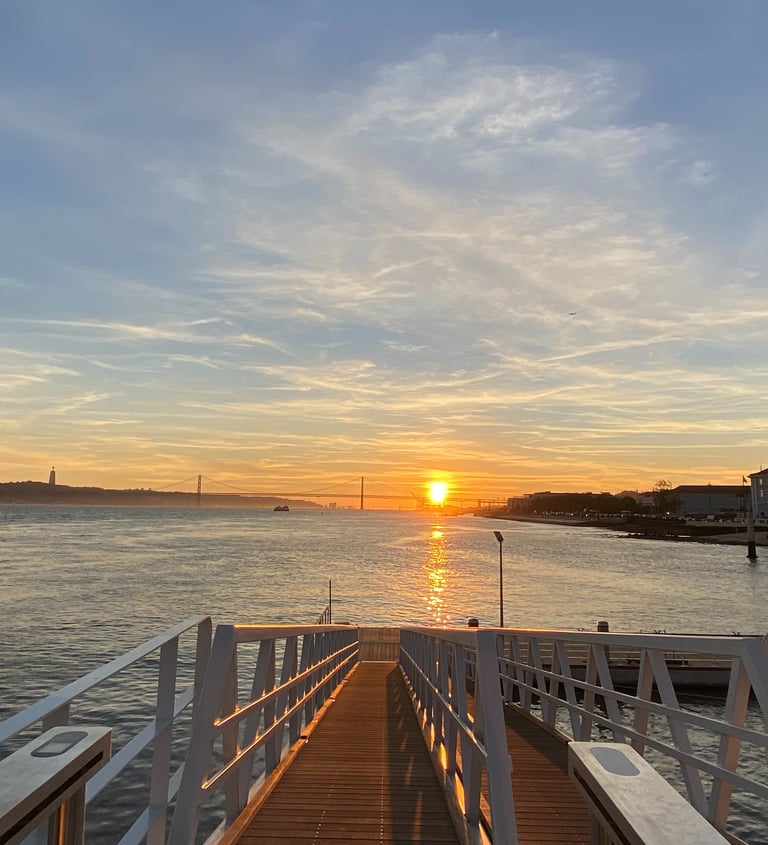
Facing the Tagus River, this grand square once served as the ceremonial entrance to Lisbon, welcoming ships and traders arriving from across the globe. Today, it’s a wonderful place to slow down—perfect for strolling along the waterfront, taking photos, enjoying a drink at a terrace café, or simply watching the rhythm of the city. The square becomes especially beautiful at sunset when golden light reflects off the river and the surrounding buildings.
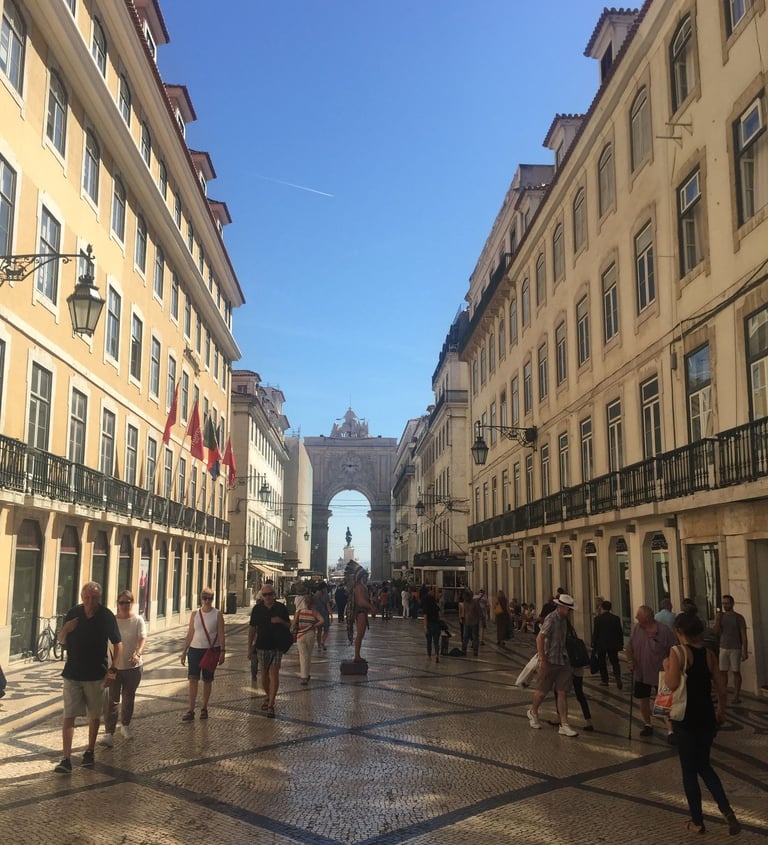
For one of the best views of the area, go up the Arco da Rua Augusta, the monumental arch connecting the square with Lisbon’s main pedestrian street. An elevator and short staircase lead to a viewing platform where you can admire Praça do Comércio from above, with panoramic views stretching over downtown Lisbon, the river, and surrounding rooftops — a fantastic photo stop and a perfect final perspective of the city after your Alfama walk.
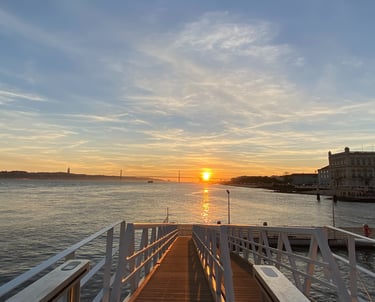
Half-Day Walking Route in Belém
Belém is easy to explore on foot, and the best way to enjoy it is by walking along the river while stopping at its main monuments, museums, and food spots. Here’s a relaxed half-day plan that avoids rushing while covering the highlights.
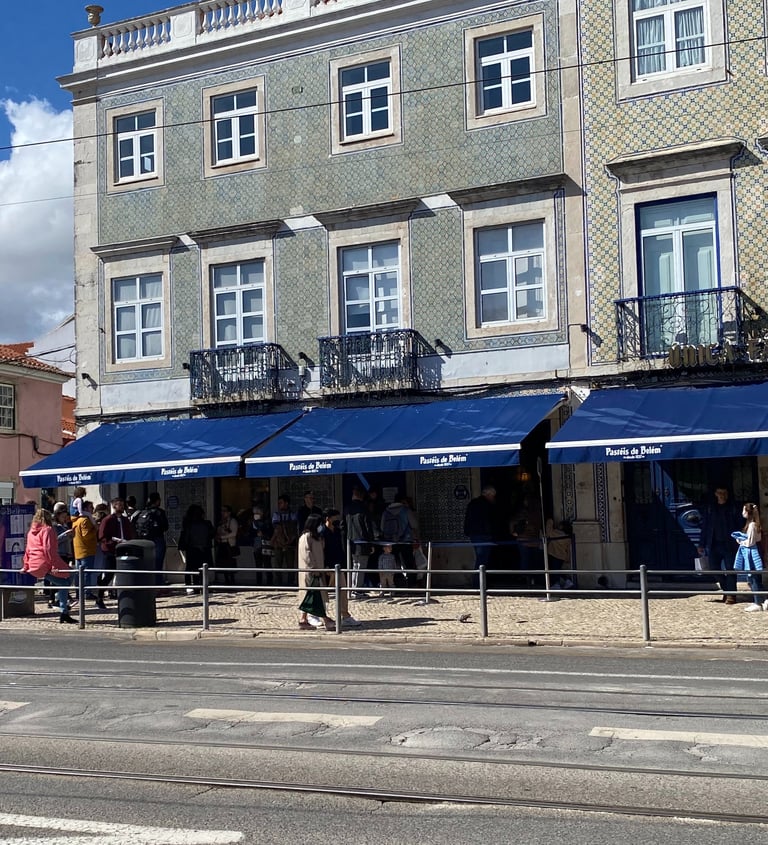
Stop 1: Start with Pastries at Pastéis de Belém
Begin your visit with Lisbon’s most famous sweet treat. Arriving earlier in the day helps avoid long lines.
Order a warm pastel de nata with coffee before starting your walk. The bakery has many indoor rooms, so even if the queue looks long, seating is usually available.




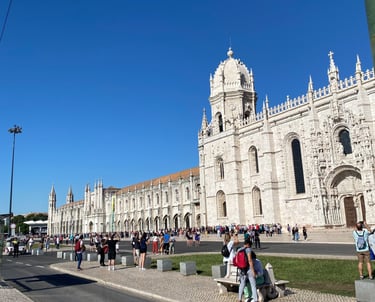
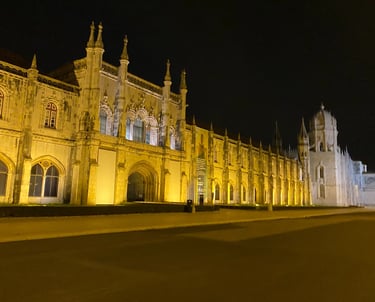
⛪ Jerónimos Monastery: A Masterpiece of Portugal’s Golden Age
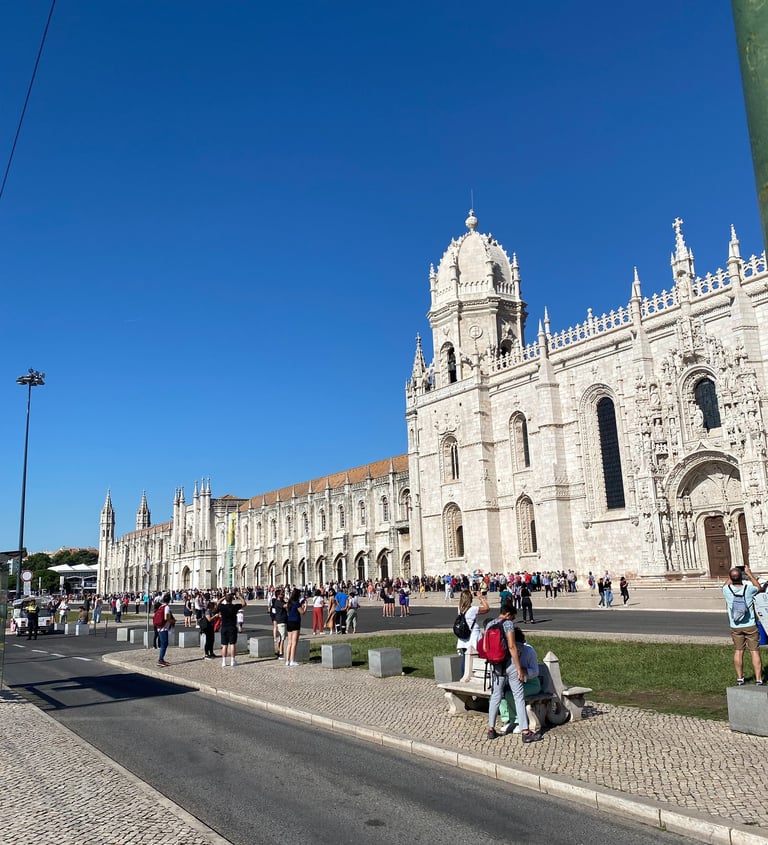
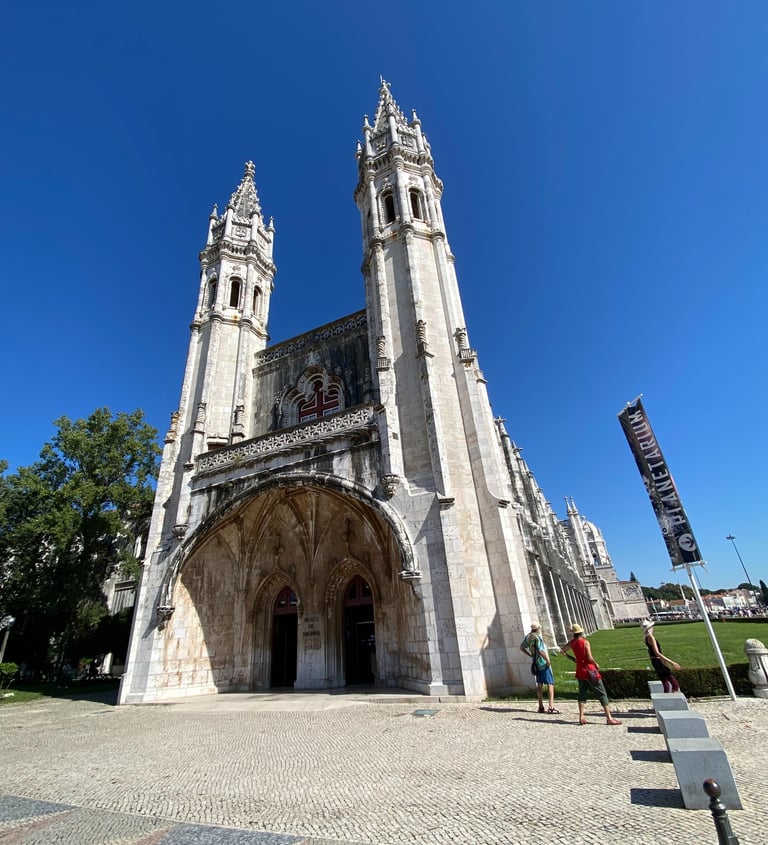
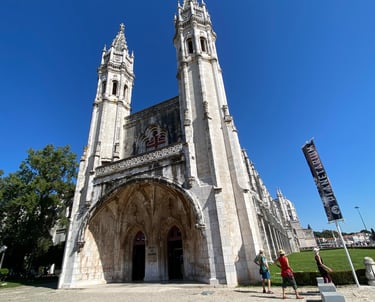
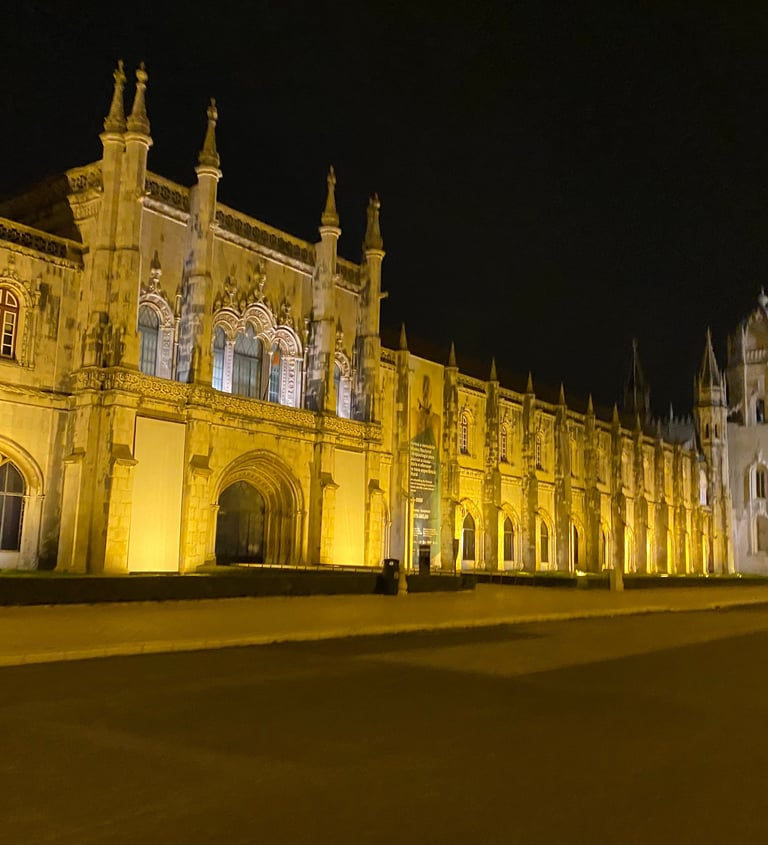
The Jerónimos Monastery is one of Portugal’s most important historical and architectural landmarks and a highlight of any visit to Belém. Built in the early 1500s, the monastery celebrates Portugal’s Age of Discoveries, when explorers sailed from Lisbon to establish new trade routes and connections across the globe.
Constructed in the ornate Manueline architectural style, the monastery is filled with intricate maritime details—carved ropes, sea creatures, and exotic motifs that reflect Portugal’s seafaring achievements. Famous explorer Vasco da Gama is also buried here, making the site historically significant as well as visually stunning.
Inside, visitors can explore the impressive cloisters, peaceful courtyards, and detailed stonework that make this one of the most beautiful religious buildings in Europe. Even travelers who usually skip churches or monasteries are often amazed by the craftsmanship here.
⚠️ Expect Long Lines
One important tip: lines can be very long, especially from late morning onward and during high season. Waiting times of one to two hours are common.
To save time, it’s highly recommended to buy skip-the-line tickets in advance, allowing you to enter faster and make better use of your day in Belém.
[Jerónimos Monastery Skip-the-Line Ticket]
Visiting Tip
Try to visit early in the morning or later in the afternoon, combining the monastery with nearby attractions and a pastry stop at Pastéis de Belém for the perfect Belém experience.
Stop 3: Walk Toward the River & Discover Padrão dos Descobrimentos
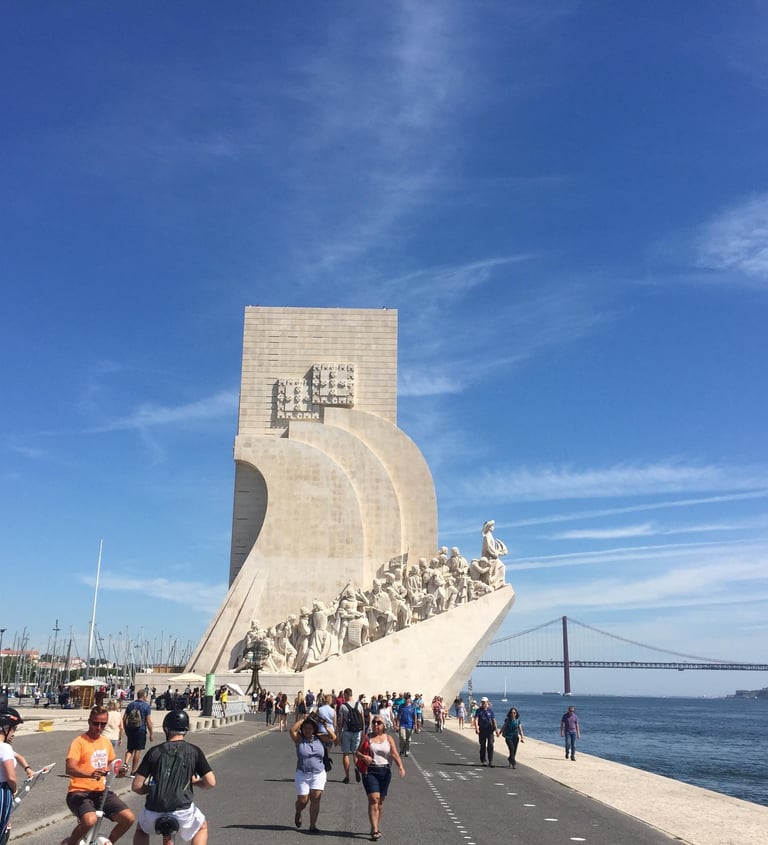
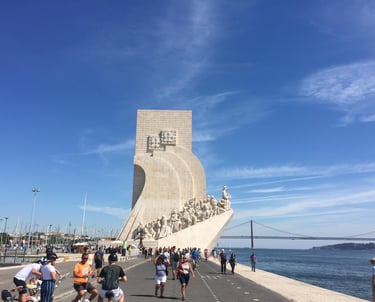
From the pastry shop, walk toward the river until you reach the Monument to the Discoveries. The monument honors Portuguese explorers and is one of the most photographed spots in Belém.
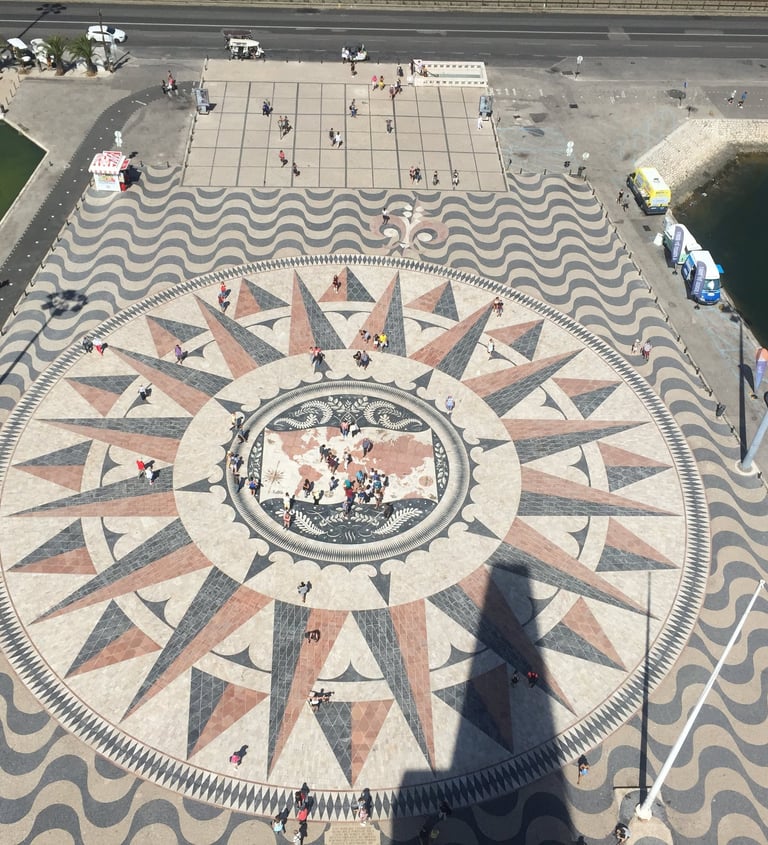
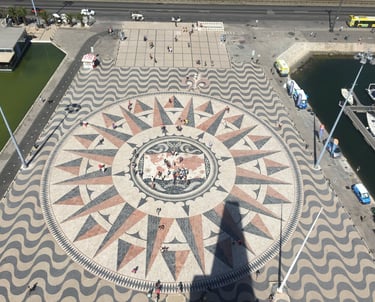
If you have time, go up to the viewing platform for panoramic river views and a great look at the giant world map mosaic below.
Stop 4: Continue to Belém Tower
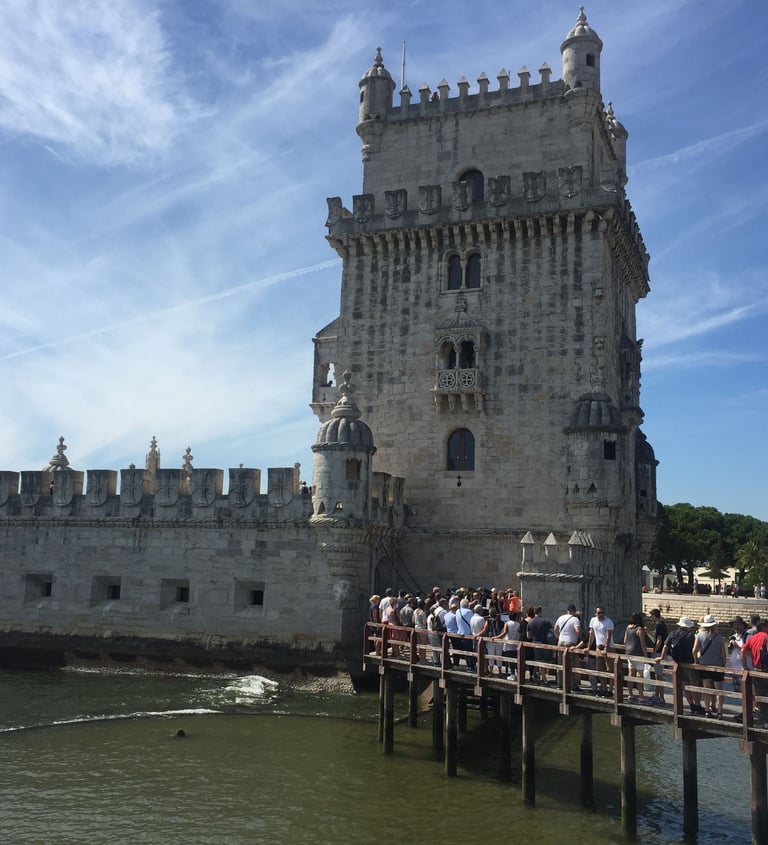
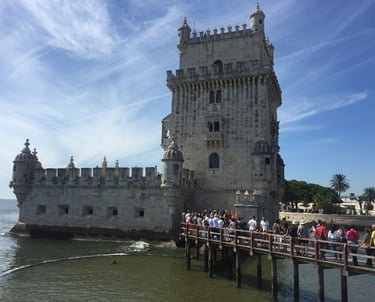
From the monument, continue walking along the waterfront promenade to Belém Tower, one of Lisbon’s most iconic landmarks and a UNESCO-listed site.
Originally built as a defensive fortress in the 16th century, the tower once guarded Lisbon’s harbor entrance. Today, it’s one of the most photographed monuments in Portugal. You can visit inside, but even enjoying the exterior views and riverside setting makes the stop worthwhile.
The surrounding area is perfect for photos, especially when the tide is low and reflections form around the tower.
Stop 5: Riverside Walk Back Toward MAAT
After Belém Tower, enjoy a relaxed riverside walk back in the direction of the museums. This promenade is popular with locals jogging, cycling, or simply enjoying the fresh air.
You’ll gradually approach one of Lisbon’s most modern architectural landmarks.
Stop 6: Visit MAAT – Museum of Art, Architecture and Technology
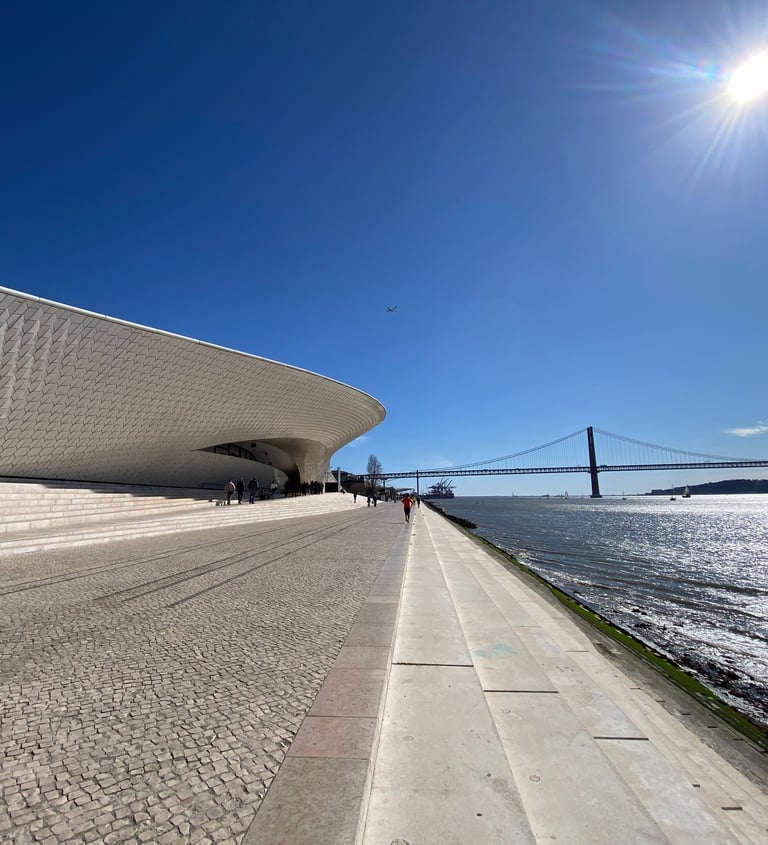
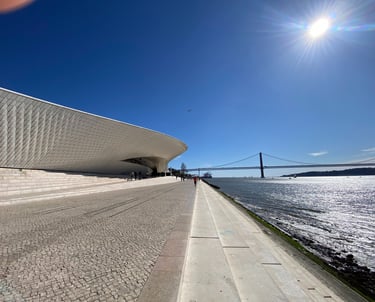
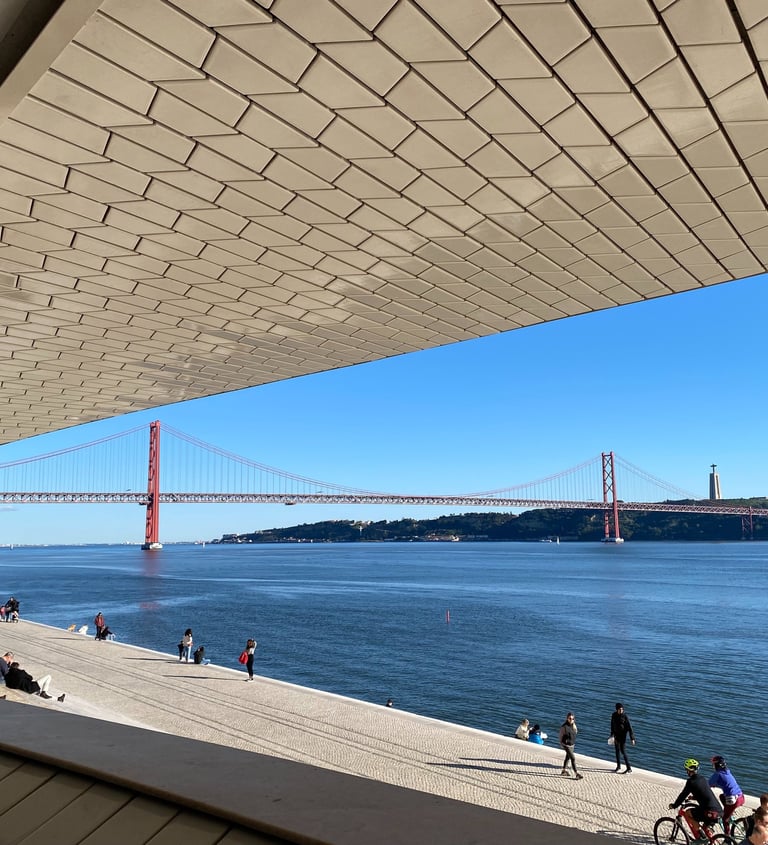
MAAT contrasts beautifully with Belém’s historic monuments. Its futuristic, wave-shaped building allows visitors to walk across the roof for panoramic river views.
Even if you skip exhibitions inside, don’t miss walking on top of the building—it’s one of the best photo spots in the area.
Lunch Break Inside MAAT
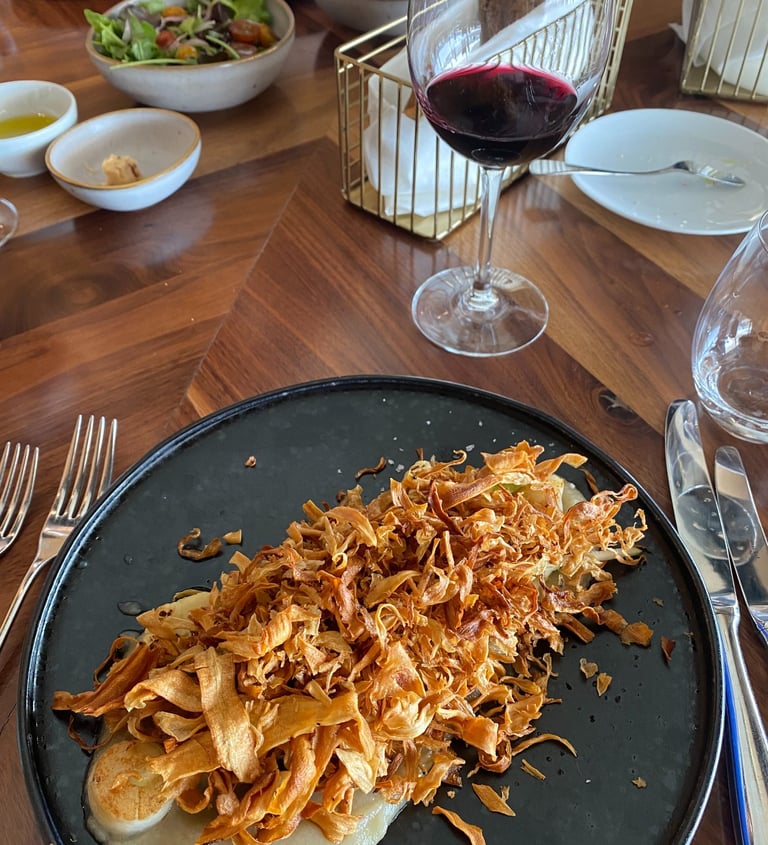
MAAT also offers a pleasant lunch option, perfect after a long walk. The museum café/restaurant overlooks the river and provides a relaxed setting away from the tourist crowds.
It’s a convenient place to sit down, recharge, and enjoy light Portuguese dishes or a casual lunch before heading back to central Lisbon.

🍴 Local Food to Try in Lisbon
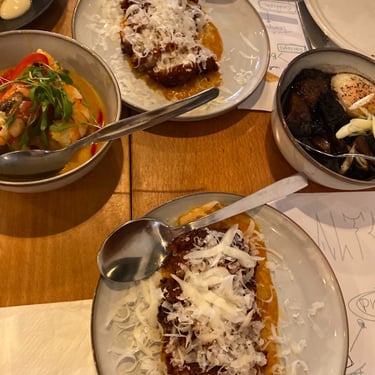
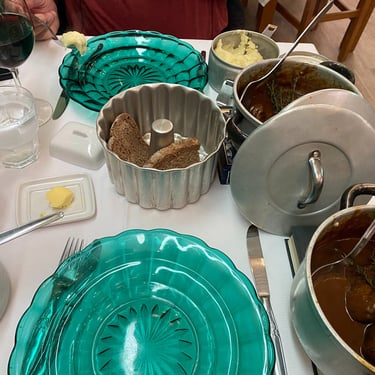
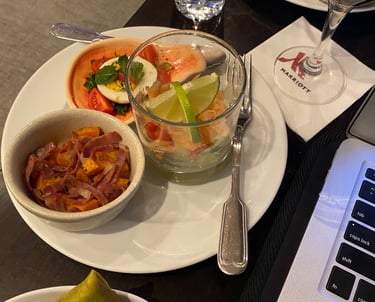
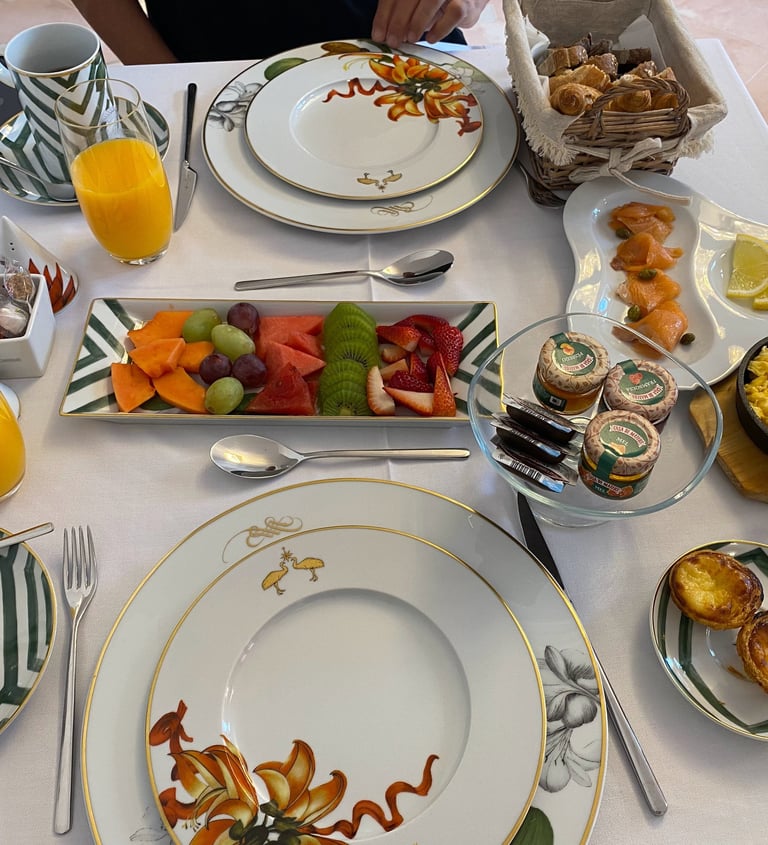
Lisbon is a fantastic destination for food lovers, offering everything from traditional Portuguese dishes to international cuisines brought by communities from around the world. Eating well here is easy — from small family-run taverns to modern restaurants and vibrant food markets.
Traditional Portuguese Dishes You Shouldn’t Miss
During your visit, try at least a few local specialties:
• Grilled sardines, especially popular in summer
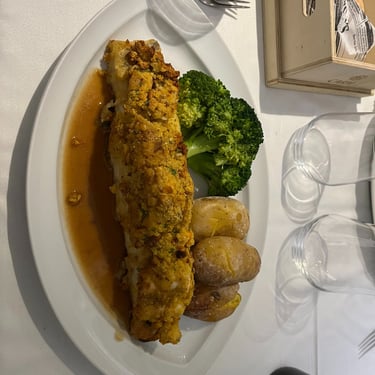
• Bacalhau dishes — salted cod prepared in dozens of different ways
• Seafood rice, rich and comforting, often made with prawns, clams, and fish
• Pastel de nata, Portugal’s famous custard tart
A convenient place to sample many dishes in one visit is Time Out Market Lisboa, where top chefs and local vendors serve Portuguese classics alongside modern creations.
Join a Food & Wine Tour
If this is your first time in Portugal, joining a food and wine tour is a great introduction to local flavors. Guides explain dishes, traditions, and regional wines while taking you to authentic spots you might not find alone.
These tours often include tastings of cheeses, cured meats, pastries, wines, and traditional petiscos (Portuguese tapas), helping visitors understand Portuguese cuisine beyond the famous custard tart.
Lisbon’s International Food Scene
Thanks to Lisbon’s multicultural history and welcoming atmosphere, you can also find cuisine from almost everywhere in the world. Excellent restaurants serve Indian, Brazilian, Cape Verdean, Vietnamese, Georgian, Italian, Middle Eastern, Mexican, and many other cuisines.
This diversity means you can enjoy traditional Portuguese meals one day and completely different flavors the next.
Personal Favorite Restaurants in Lisbon
Here are some excellent restaurants locals and visitors love, covering both Portuguese and international cuisine:
• Páteo 51 — Fantastic traditional Portuguese food in a relaxed setting
• Pinóquio — Great seafood and classic dishes near Restauradores
• Taberna Anti-Dantas — Modern Portuguese cuisine with creative twists
• Cervejaria Ramiro — Famous seafood restaurant, especially for shellfish lovers
• Kerala Restaurant — Excellent South Indian cuisine
• Ganesha Palace — Popular Indian restaurant with generous portions
• Tree Stories — A great introduction to Georgian cuisine
• Fiammetta — Cozy Italian restaurant loved by locals
• A Taberna do Mar — Seafood-focused spot with creative Portuguese flavors
• Listambul — Delicious Turkish street food in a casual atmosphere
• Londrina Café — Family restaurant in Alcântara, especially known for Saturday feijoada
• O Gambuzino — One of Lisbon’s best vegan restaurants
Local Tip
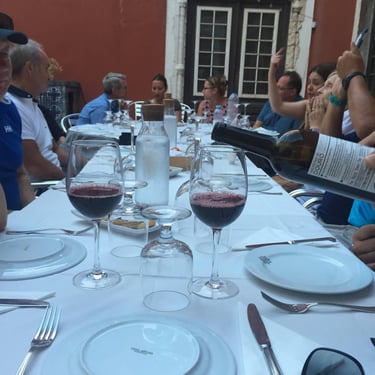
Lunch menus are often cheaper than dinner and offer great value. Portuguese meals are meant to be enjoyed slowly, so take your time and treat dining as part of the experience, not just a quick stop between attractions.



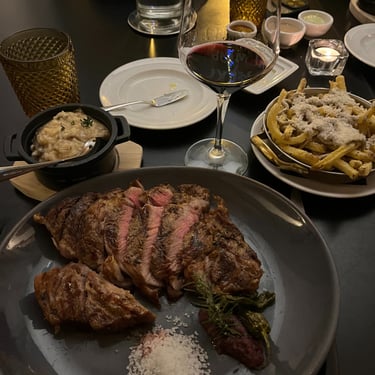
🌉 Rooftop Bars & Sunset Cruise on the Tagus River
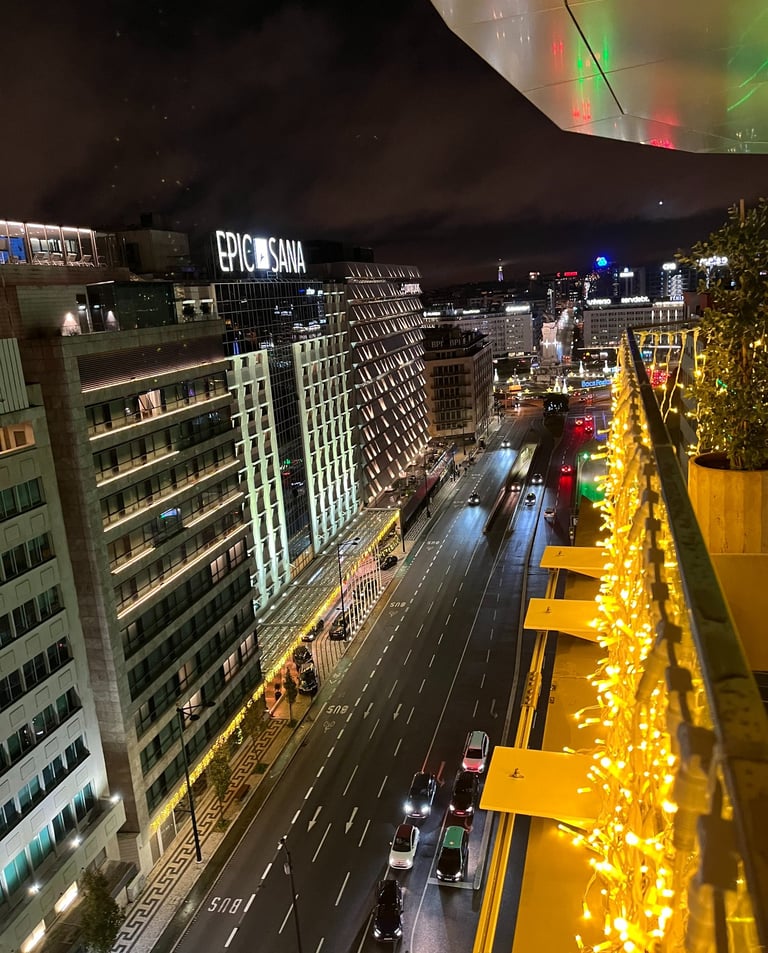
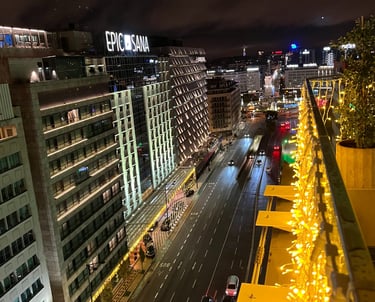
If you have extra time in Lisbon, slow down one evening and enjoy the city from above or from the water. Several rooftop bars across the city offer panoramic views, perfect for sunset drinks after a day of sightseeing.
Another memorable option is a sunset cruise on the Tagus River, where you’ll see Lisbon’s hills, bridges, and monuments glowing in golden light while sailing peacefully along the waterfront. It’s relaxing, romantic, and a nice break from walking the city’s hills.
🎨 Creative Lisbon: LX Factory
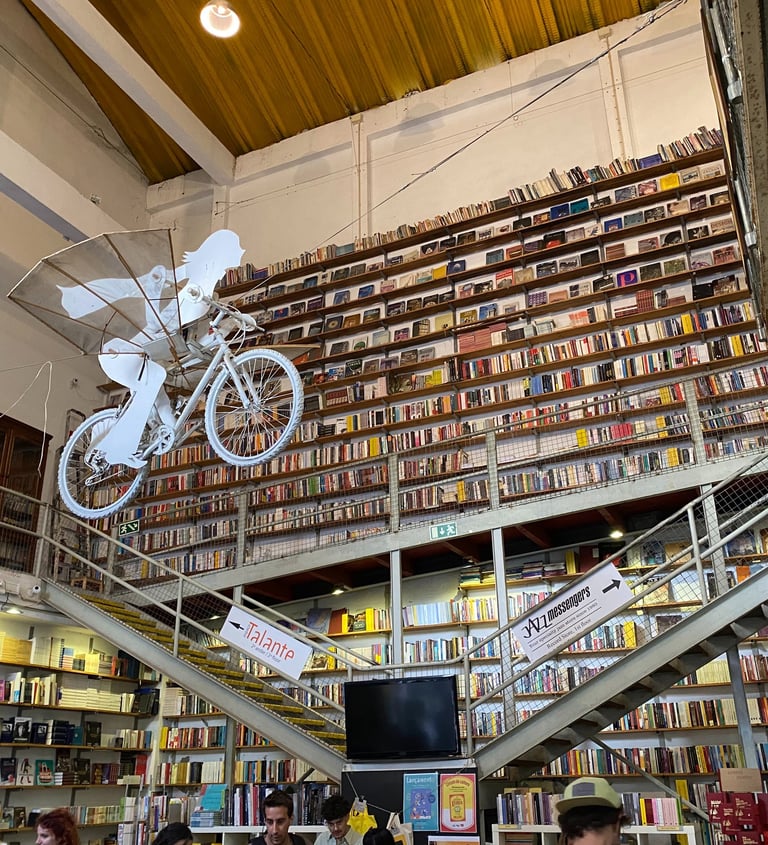
LX Factory is a former industrial complex transformed into one of Lisbon’s most creative and trendy areas. Today, warehouses host cafés, bookstores, art studios, boutiques, and co-working spaces.
It’s a great stop if you want a relaxed afternoon away from traditional tourist sites. Browse local design shops, enjoy brunch, or simply wander among murals and street art. Weekend markets and events often add extra energy to the area.
🌃 Nightlife Areas
Lisbon nightlife starts late and runs well into the morning. Two main areas attract most visitors:
• Bairro Alto — A maze of small streets packed with casual bars where people socialize outside with drinks in hand. It’s lively but informal and perfect for bar hopping.
• Pink Street — Located near the river, this former red-light district is now full of clubs and late-night venues, popular after midnight when Bairro Alto begins to quiet down.




🌅 Hidden Gem: Cacilhas
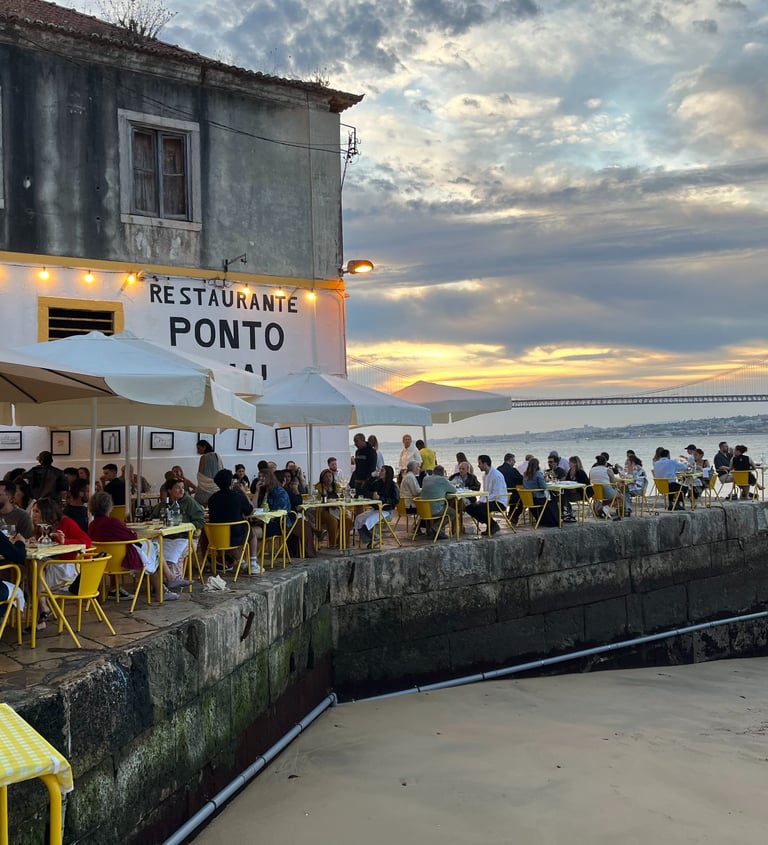
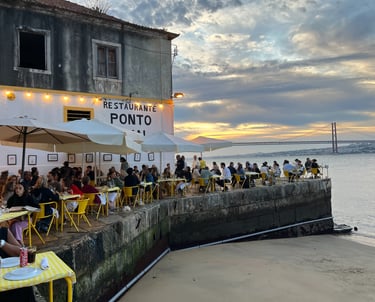
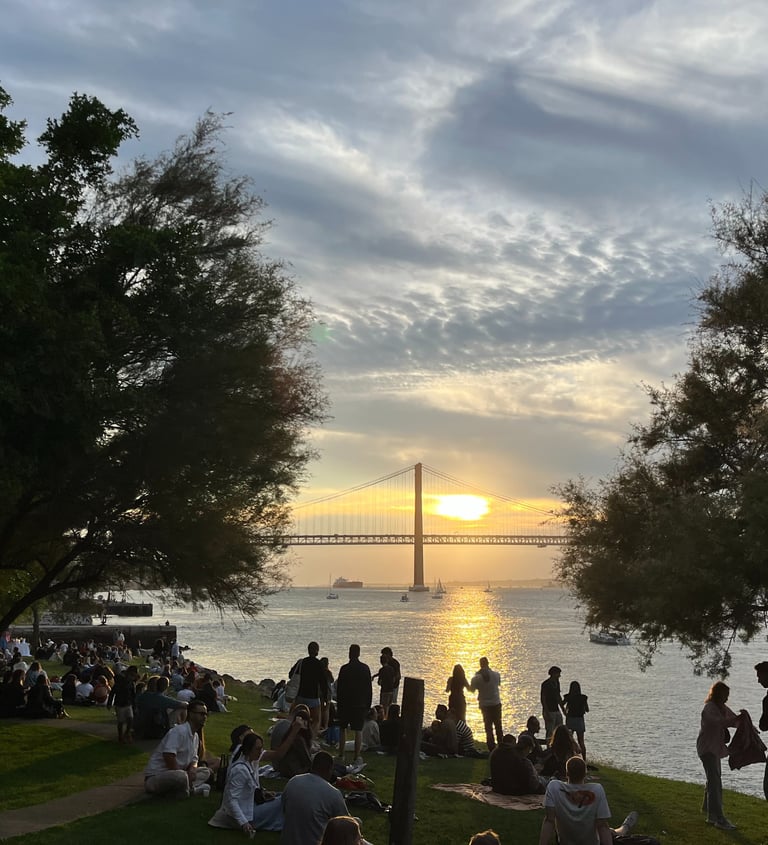
For one of Lisbon’s best sunset experiences, take a short ferry ride across the river to Cacilhas. The crossing itself offers beautiful city views.
From the ferry terminal, walk along the waterfront to restaurants and sunset viewpoints. Many locals bring drinks and snacks, sit by the water, and enjoy live street music as the sun sets over Lisbon’s skyline.
A popular dinner stop is Ponto Final, famous for its waterfront tables and sunset views. It’s easy to spend three to four relaxed hours here without noticing time passing.


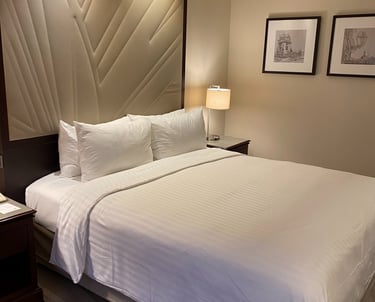
🛏 Where to Stay in Lisbon
For first-time visitors, staying central saves time and energy. Excellent areas include:
• Baixa — flat streets, central location, easy access to transport and attractions
• Chiado — elegant, lively, and full of cafés and shops
• Avenida da Liberdade — upscale boulevard with luxury shops and high-end hotels
Stay in Bairro Alto only if nightlife noise doesn’t bother you.
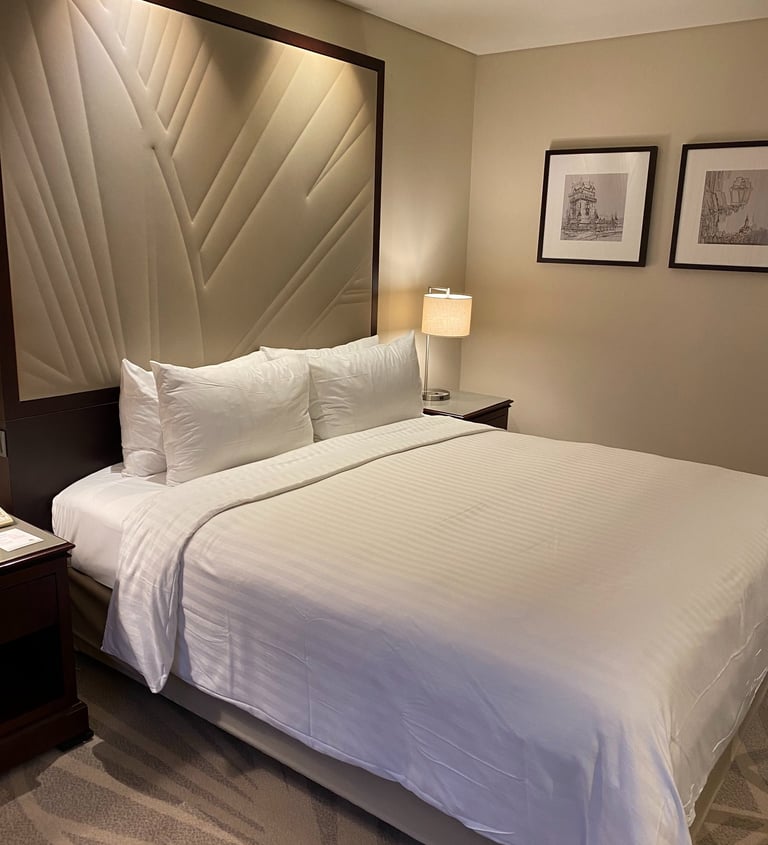
Well-known hotel groups with great options in Lisbon include Pestana Hotels & Resorts and Tivoli Hotels & Resorts, both offering comfortable stays in central locations.


Final Thoughts: Take Your Time & Explore Beyond Lisbon
Lisbon is not just a city you “check off” in one or two days — it’s a place to experience slowly. From historic neighborhoods like Alfama to riverside sunsets in Belém, from traditional Fado music to modern rooftops, Lisbon offers layers of history, culture, food, and atmosphere that reveal themselves best when you don’t rush.
Whether you’re wandering cobblestone streets, enjoying fresh seafood, or watching the sunset over the Tagus, Lisbon has a way of making visitors feel at home. Give it at least two to four days if you can — you’ll appreciate the rhythm of the city much more.
And if you do have extra time, Lisbon is also the perfect base for incredible day trips.


Easy Day Trips from Lisbon
One of the biggest advantages of staying in Lisbon is how many beautiful places you can visit within an hour or two.
🌿 Sintra
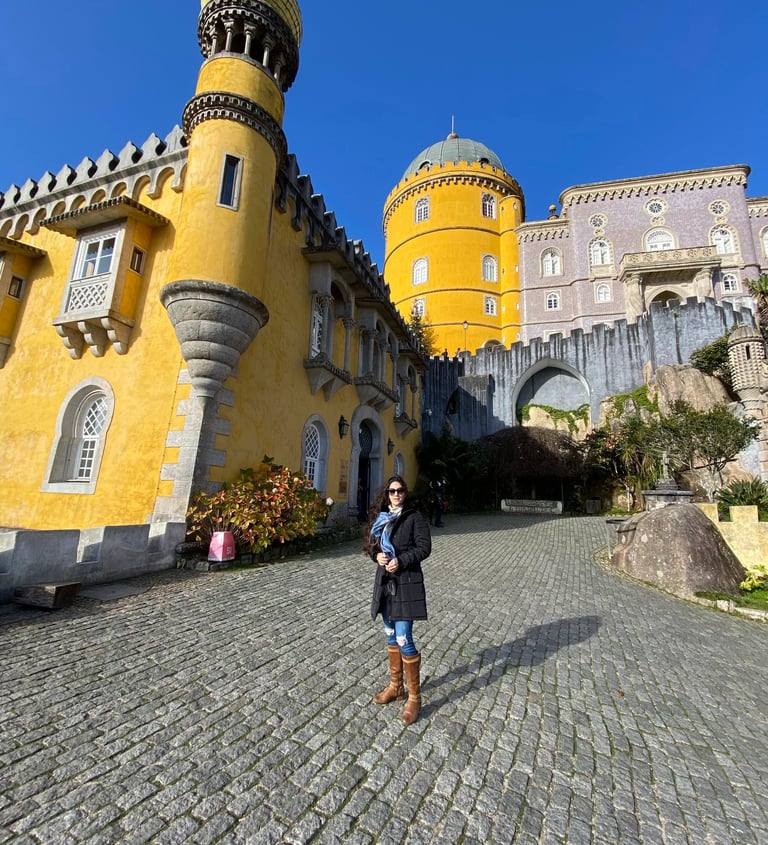
A fairytale town filled with palaces, castles, and misty hills. Highlights include colorful Pena Palace and Moorish Castle. Sintra easily deserves a full day and is one of Portugal’s most magical destinations.
🏰 Óbidos
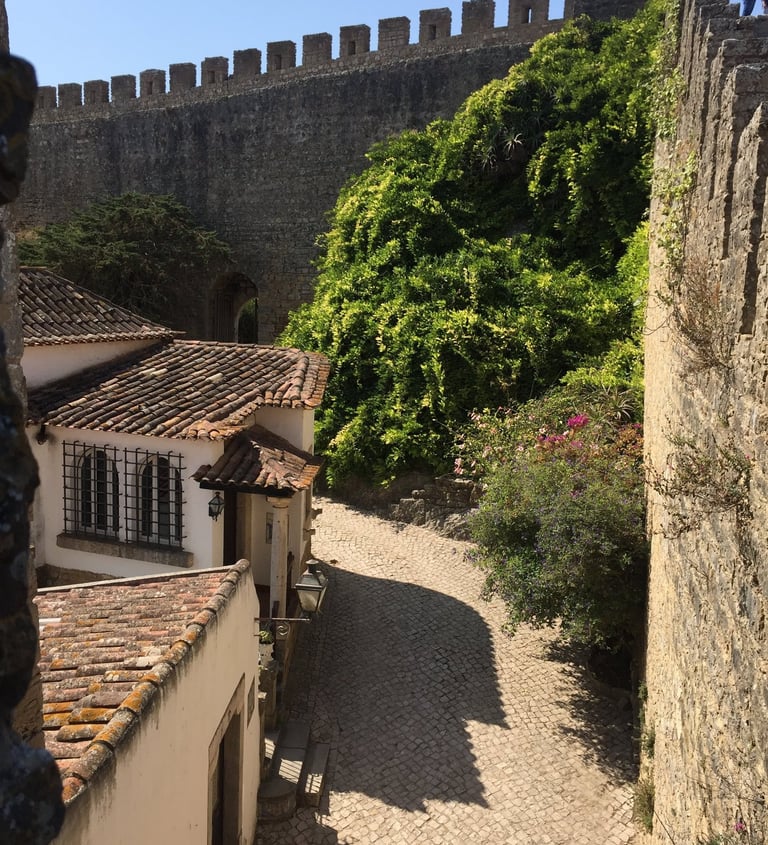
A charming medieval town surrounded by castle walls. Walk along the ramparts, explore whitewashed streets, and try the local cherry liqueur served in chocolate cups.
🍷 Wine Regions & Vineyards
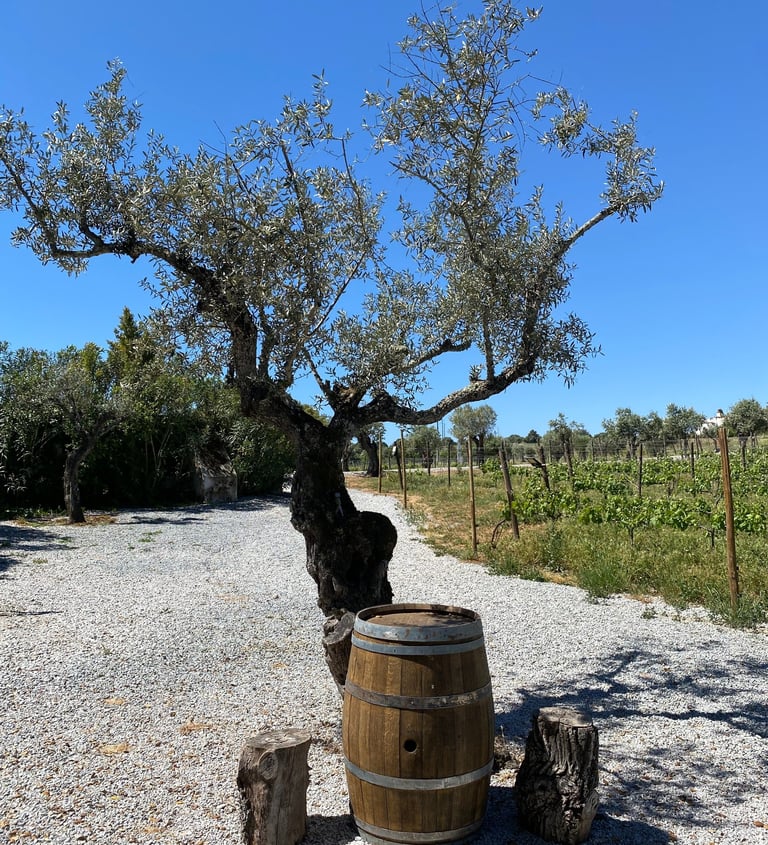
Portugal produces exceptional wines, and several wine regions are accessible from Lisbon for tastings and vineyard tours. Whether in the countryside north of Lisbon or across the river in the Setúbal region, winery visits are a relaxing way to experience rural Portugal and local flavors.
🌊 Coastal Escapes
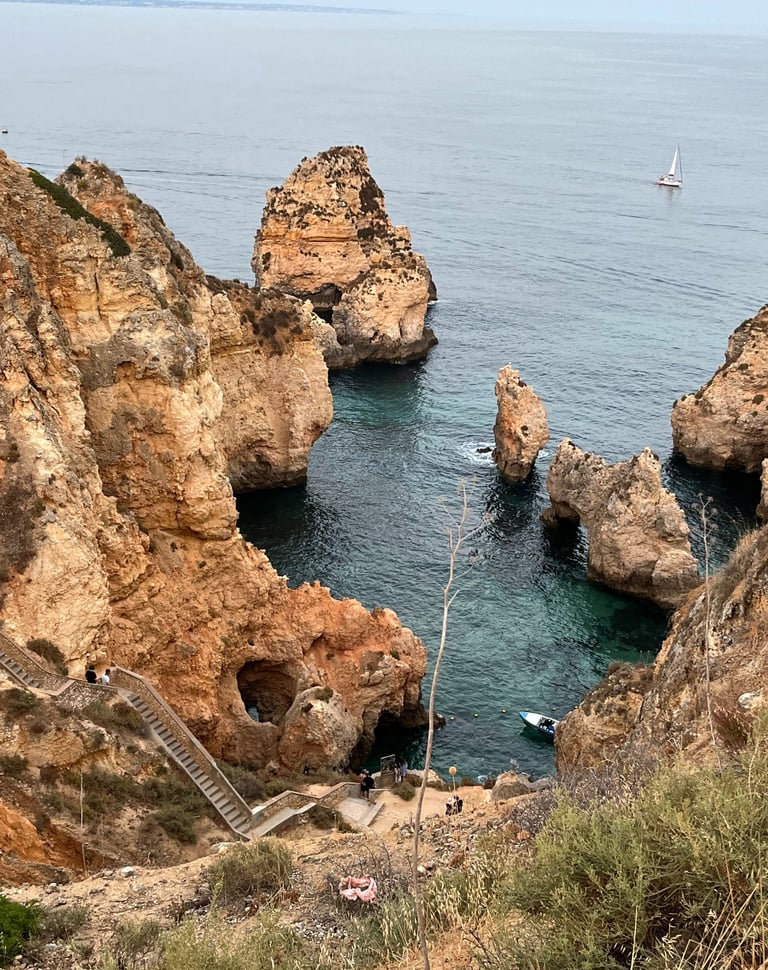
You can also visit seaside towns, dramatic cliffs, and Atlantic beaches within a short drive, combining culture with coastal scenery.

Explore
Travel deeper, connect with cultures meaningfully.
Journey
info@twinpeakstravels.com
© 2026. All rights reserved.