
Casa de Pilatos in Seville: A Detailed Guide to the City’s Most Underrated Palace
Casa de Pilatos is one of Seville’s most fascinating historic palaces — a place where intricate Mudejar craftsmanship meets elegant Italian Renaissance design. Often overshadowed by the world-famous Real Alcázar, this 16th-century mansion offers a quieter, more intimate experience that allows visitors to fully appreciate the artistry and architectural fusion that define Andalusia.
12/4/20253 min read
A Palace Where Cultures Meet
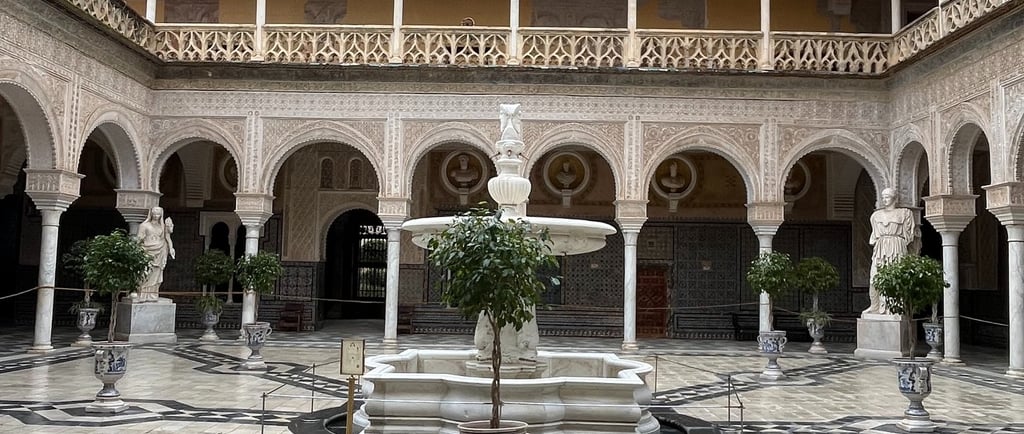
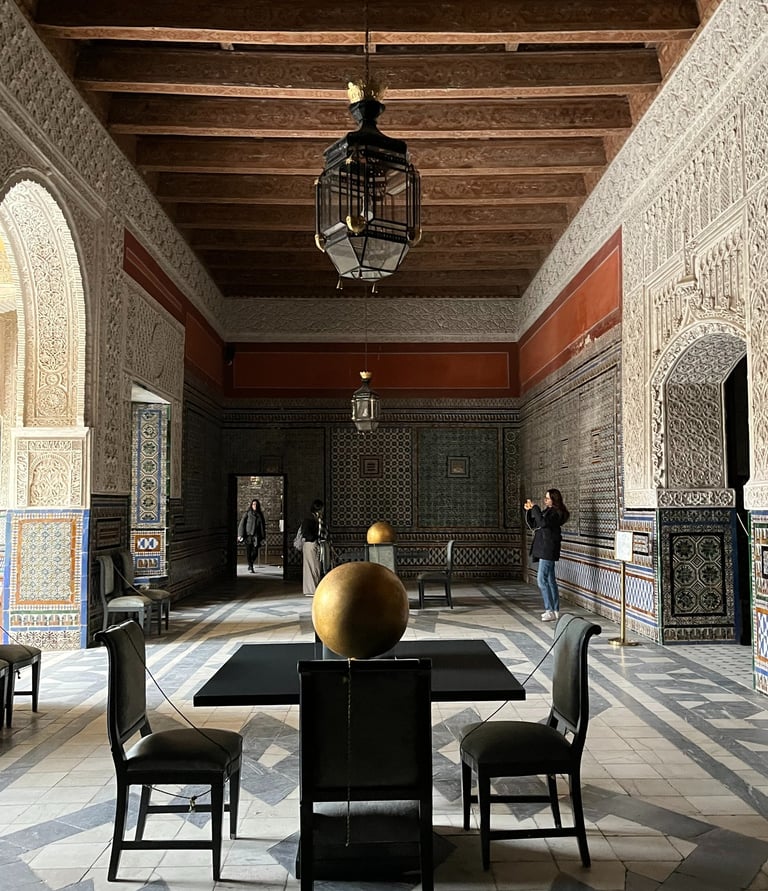
Construction of Casa de Pilatos began in the late 1400s, but its beauty took shape over several generations of the noble Enríquez de Ribera family. As you wander its rooms and courtyards, you’ll notice an extraordinary blend of influences:
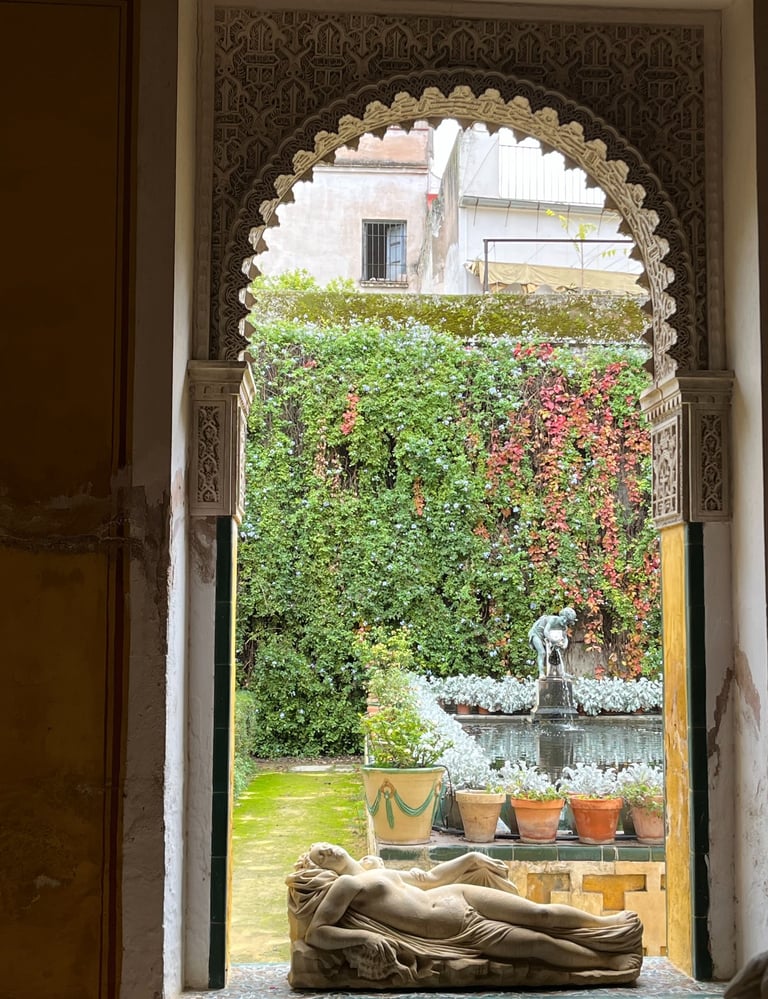
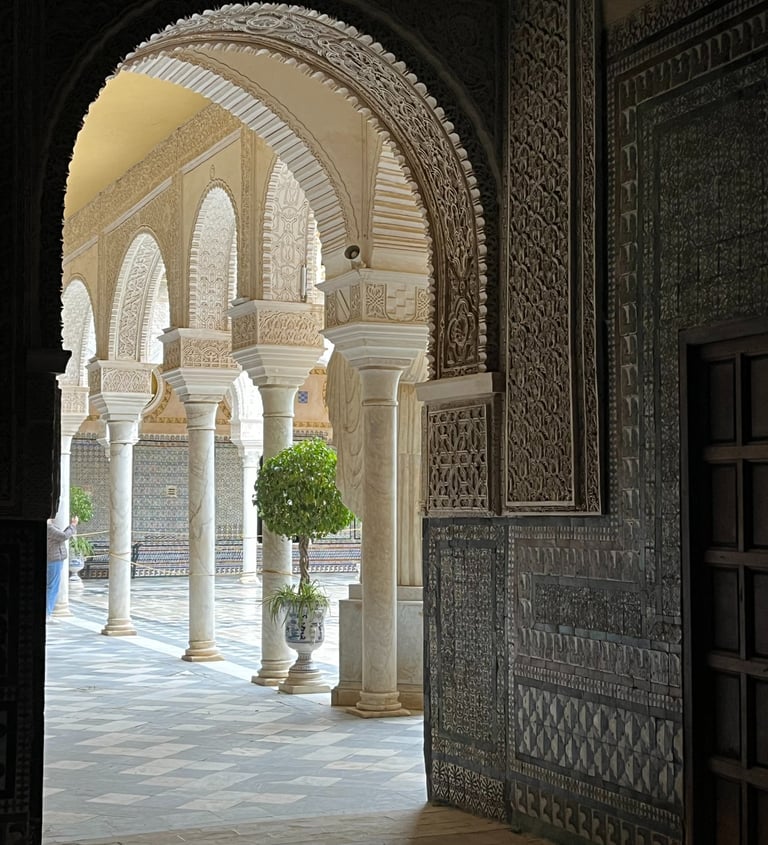
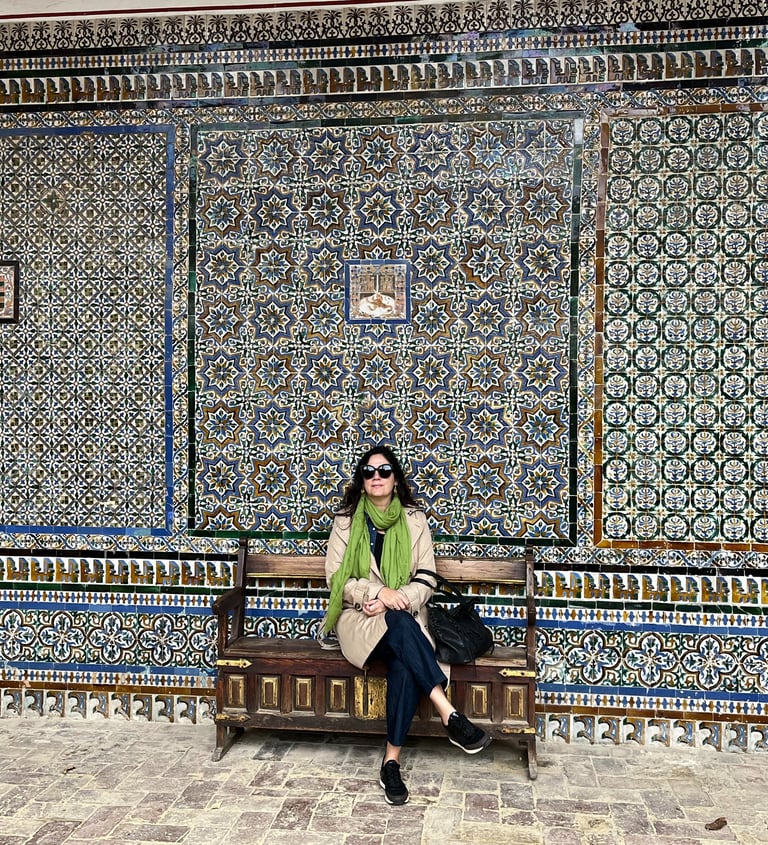
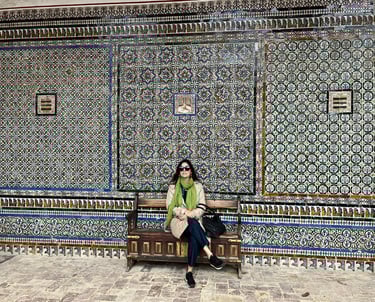
Mudejar plasterwork and patterned azulejos that showcase centuries of Moorish tradition
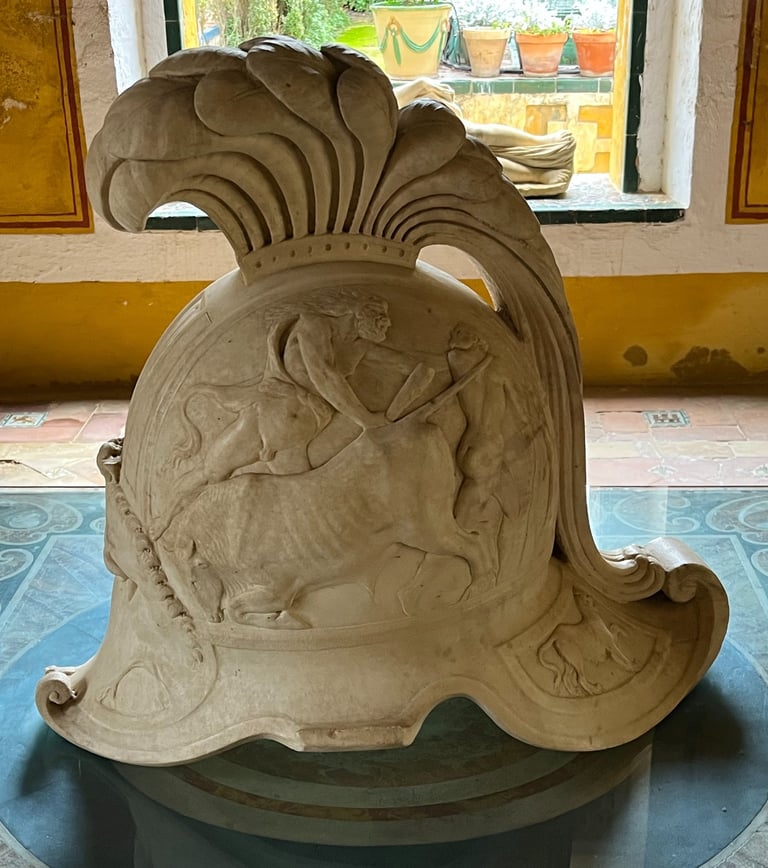
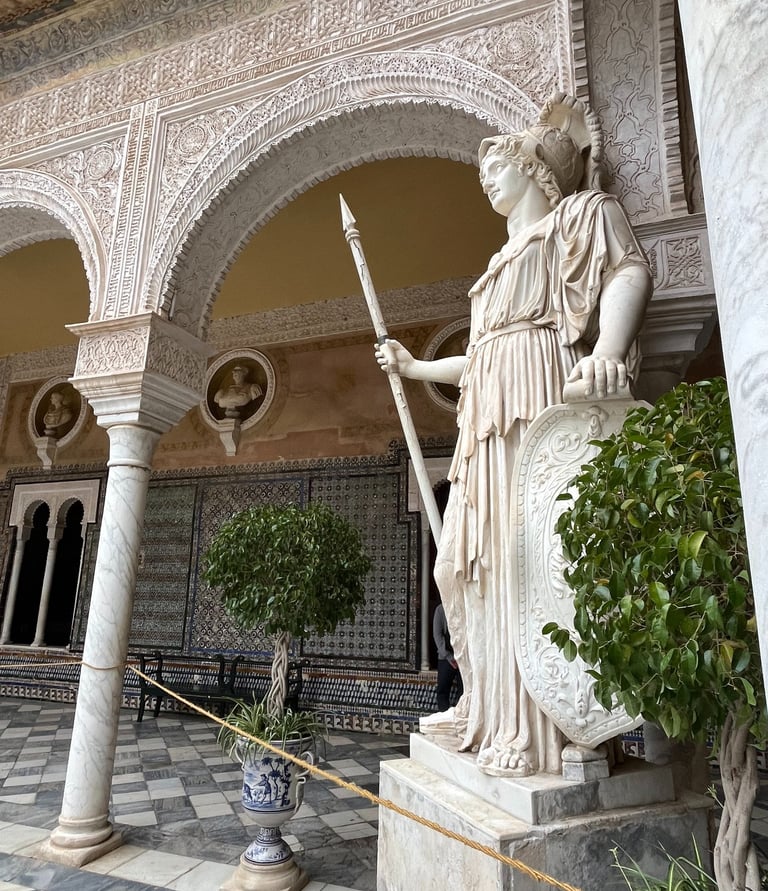
Renaissance columns, arches, and marble statues imported from Italy
Gothic details that give the palace a sense of old-world nobility
This blend makes Casa de Pilatos one of the best examples of Andalusian palace architecture, and many locals consider it the prototype for the traditional Sevillian mansion.
The Patio: A Masterpiece of Andalusian Design
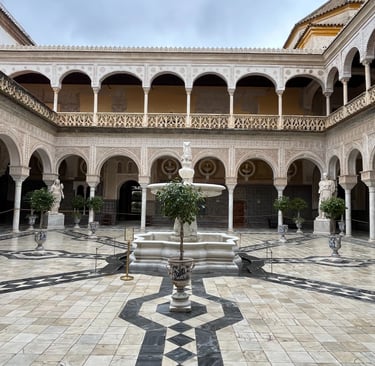
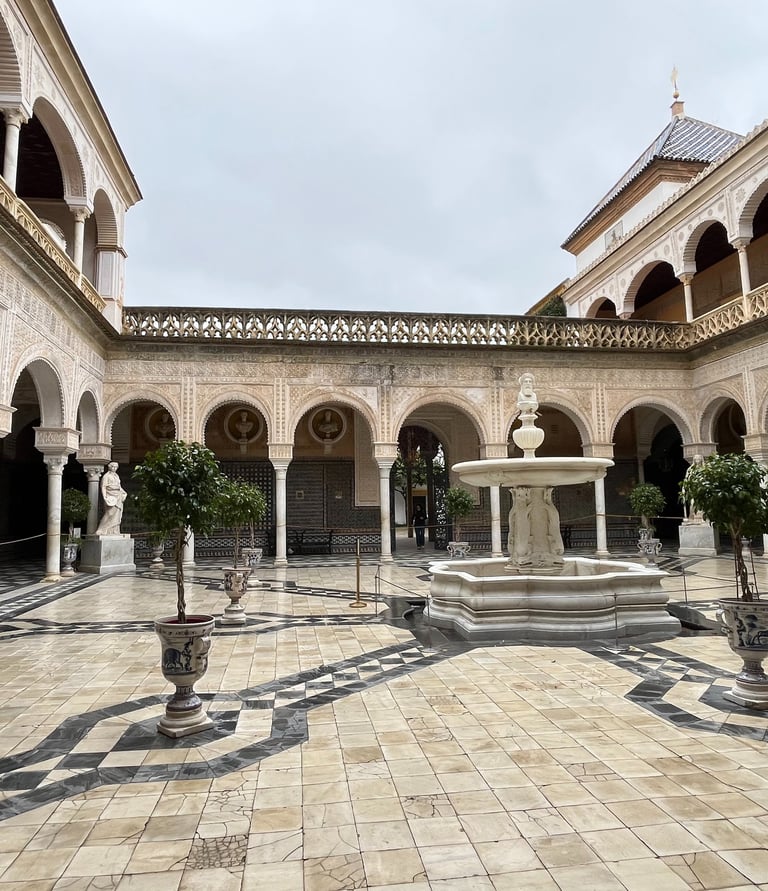
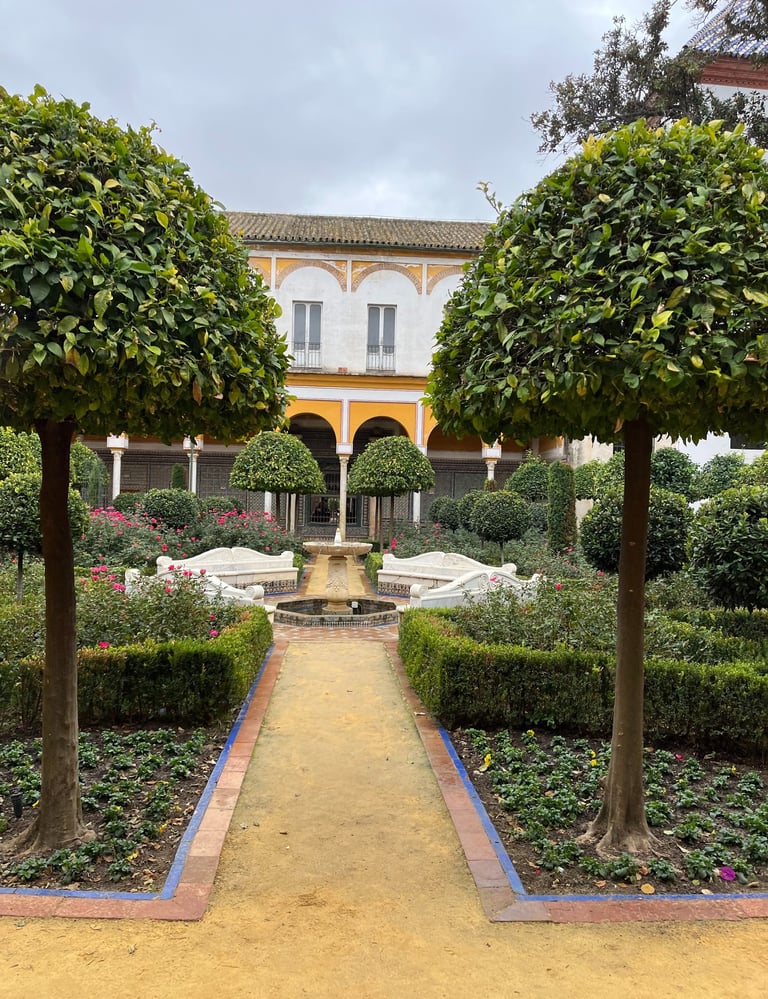
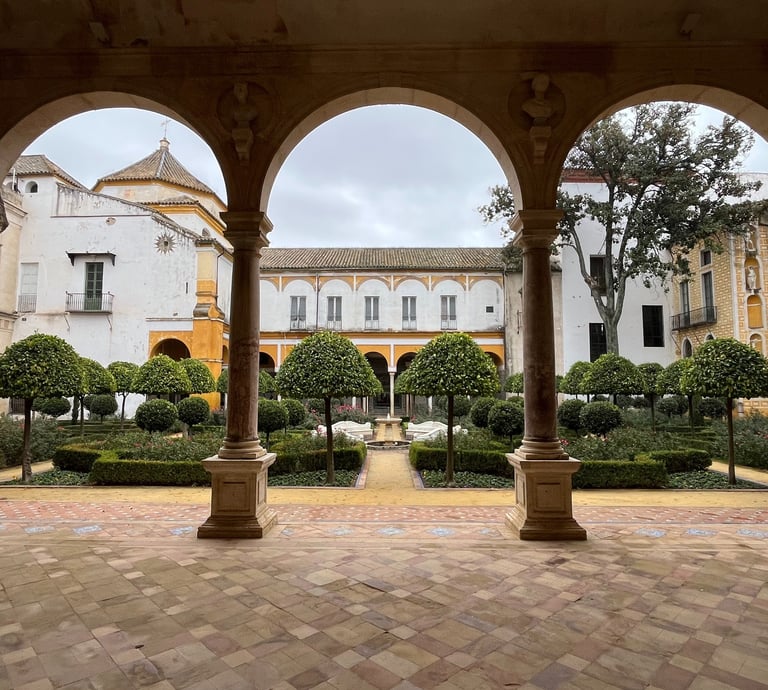
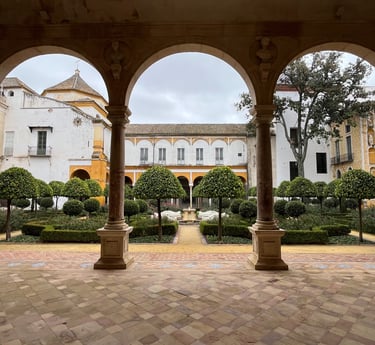
The central courtyard is the heart of the palace — a breathtaking space filled with geometric tiles, colonnaded walkways, palm trees, and classical sculptures. Light pours into the courtyard in the morning, making it an ideal spot for photos. It’s peaceful, atmospheric, and easily one of the most beautiful patios in Seville.
Rooms Filled With Art and Azulejos
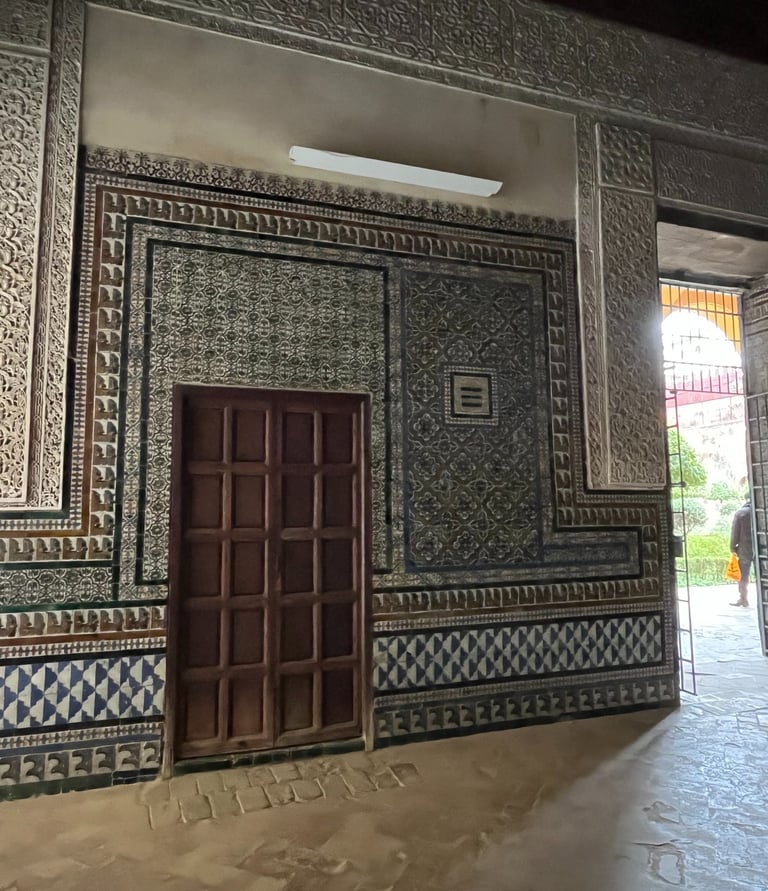
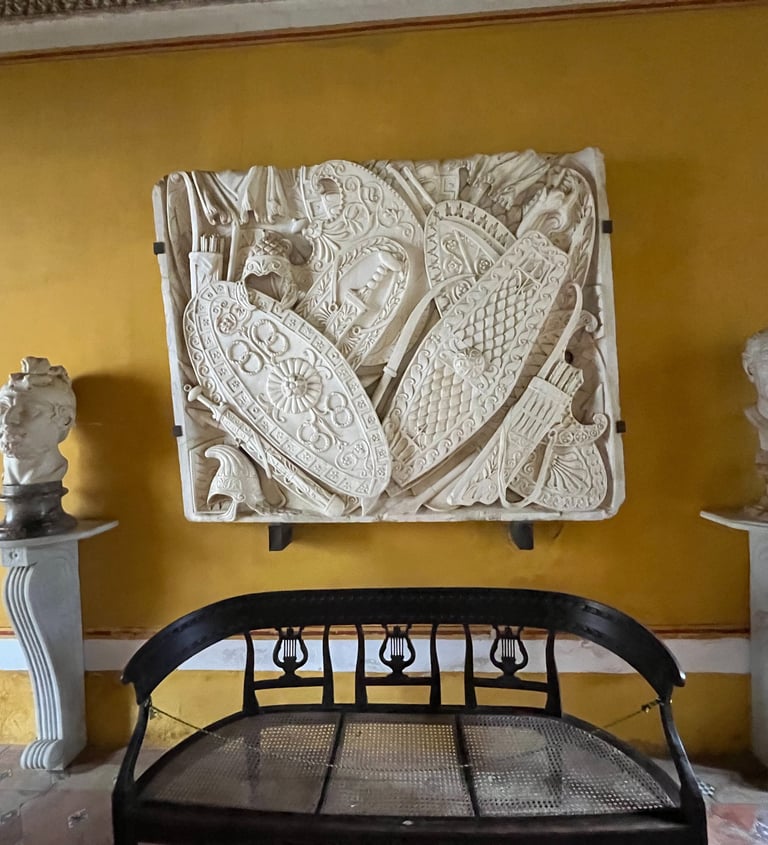
Casa de Pilatos holds one of the largest collections of azulejos in Spain, with more than 150 different tile patterns decorating its walls. The rooms are adorned with carved plaster, coffered ceilings, antique furniture, and paintings representing the tastes of the aristocratic families who lived here for centuries. Every room feels like stepping deeper into the layered history of Seville.


The Upper Floor: A Glimpse Into Noble Life
With an optional guided visit, you can explore the upper floor, where lavish private chambers and period furnishings reveal how nobility lived during the Renaissance. Large windows overlook the palace grounds, offering beautiful views of the courtyards and gardens below.
Lush Gardens and Quiet Corners
Behind the palace lies a tranquil garden filled with lush greenery, bougainvillea, fountains, and shaded pathways. It’s a peaceful retreat — perfect for slow travel moments, photography, or simply escaping the busy streets of central Seville.
Why Casa de Pilatos Is Worth Visiting
If you enjoy architecture, history, or simply discovering hidden gems, Casa de Pilatos is a must-see. It’s less crowded than the Alcázar, easier to explore at your own pace, and incredibly photogenic. Many travelers say it’s one of the most beautiful places in Seville — and unexpectedly so.
Practical Information
Location: Calle de Jesús de las Tres Caídas, in the Santa Cruz area
Time needed: 1–2 hours, depending on how much you explore
Tickets: Entrance fee varies; optional upper-floor guided visit available
Best time to visit: Morning or late afternoon for softer lighting and fewer people
Final Thoughts
Casa de Pilatos may not make every traveler’s headline list, but it absolutely should. Its mix of cultures, peaceful atmosphere, and extraordinary craftsmanship make it one of the top hidden gems in Seville — a place where you can truly feel the soul of Andalusia.
Explore
Travel deeper, connect with cultures meaningfully.
Journey
info@twinpeakstravels.com
© 2026. All rights reserved.